Books › A choice of weapons

A choice of weapons
274 pages
A deeply moving testament to surviving poverty and racism through the transformative power of art, dignity, and hard work.
What it feels like
This compelling autobiography offers a steady, deeply reflective journey through the harsh realities of early twentieth-century America. The mood is initially gritty and poignant, steeped in the desperate survival of a homeless, hungry youth navigating profound poverty and systemic racism. Yet, an undeniable current of hope and resilience drives the narrative forward. The prose is direct and earnest, capturing both the bitter sting of bigotry and the profound dignity of choosing love and hard work over hatred. As the emotional arc shifts from raw survival to artistic awakening, the reader experiences the transformative power of self-education and creative purpose. It is a profoundly inspiring read that will captivate anyone drawn to true stories of artistic triumph and the enduring strength of the human spirit.
- Mood
- gritty
- poignant
- inspiring
- hopeful
- Tone
- reflective
- determined
- earnest
- resilient
- Pace
- steady
- Themes
- overcoming systemic racism · art as a tool for survival · self-education and resilience · dignity in the face of hardship · poverty and survival
- The writing
- Compelling and direct, capturing the harsh realities of poverty alongside a profound, underlying warmth.
- The arc
- Moves from the desperate, hungry struggle of orphaned youth to a triumphant, dignified realization of artistic purpose.
- Who it's for
- Readers who are drawn to deeply personal, inspiring accounts of artistic awakening and the fight against systemic injustice.
Content notes
- poverty
- racism and bigotry
- death of a parent
- homelessness
- war themes
About the book
Gordon Parks--photographer for Life magazine, writer, composer, artist, and filmmaker--was only 16 in 1928 when he moved from Kansas to St. Paul, Minnesota, after his mother's death. There, homeless and hungry, he began his fight to survive, to educate himself, and to "prove my worth." Working as a janitor, railroad porter, musician, or basketball player in such places as St. Paul, Chicago, and New York, Parks struggled against poverty and racism. He taught himself photography with a secondhand camera, worked for black newspapers, and began to document the poverty among African Americans on Chicago's South Side. Then his photographic work brought him to Washington, D.C., as first a photographer with the federal Farm Security Administration and later a war correspondent during World War II. This compelling autobiography, first published in 1966, tells how Parks managed to escape the poverty and bigotry around him, and launch his distinguished career, by choosing the weapons given him by "a mother who placed love, dignity, and hard work over hatred." - Publisher.
Description from Open Library.
Books like A choice of weapons
See why they match Black BoyRichard WrightA searing, visceral memoir of survival and intellectual awakening in the suffocating grip of the Jim Crow South.
 Manchild in the promised landClaude BrownA candid, unflinching immersion into the realities of coming of age in a harsh urban landscape.
 The Beautiful StruggleTa-Nehisi CoatesA tender, mythic exploration of Black boyhood, anchored by the gravity of a father's fierce, protective love.
 Coming of Age in MississippiAnne MoodyA candid, sensory, and deeply moving portrait of a young woman's indomitable spirit awakening in the dangerous pre-civil rights South.
 Makes Me Wanna HollerNathan McCallAn unflinching, deeply personal examination of how systemic alienation breeds violence, and the hard-fought journey toward self-reclamation.
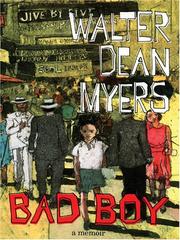 Bad BoyWalter Dean MyersA candid, deeply felt reflection on hiding your true self to survive, and the quiet rebellion of loving books.