Books › A Christmas Carol

A Christmas Carol
First published 1986 · 99998 pages
A spooky, wintry ghost story that thaws into a profound celebration of human warmth and generosity.
What it feels like
Reading this classic novella feels like stepping out of a biting, fog-choked London street into a room warmed by a roaring hearth. The narrative moves at a brisk, theatrical pace, pulling the reader through a series of vivid, dreamlike vignettes that are by turns genuinely spooky and deeply heartwarming. Dickens employs a rich, sensory prose style that makes you feel the chill of isolation just as acutely as the fragrant, bustling joy of a family feast. It is an experience of emotional thawing, designed to confront the reader with the harsh realities of poverty and regret before delivering a cathartic, joyous release. This is a perfect read for anyone who loves atmospheric, redemptive stories that celebrate the profound interconnectedness of humanity.
- Mood
- wintry
- spooky
- cozy
- atmospheric
- redemptive
- Tone
- earnest
- theatrical
- satirical
- moralistic
- joyous
- Pace
- brisk
- Themes
- the power of redemption · social responsibility · the spirit of generosity · confronting the past · warmth of community
- The writing
- Richly descriptive, theatrical, and rhythmic, blending sharp social critique with warm, sensory details.
- The arc
- Moves from cold, isolated bitterness through terrifying self-reflection to an explosion of joyous, tearful redemption.
- Who it's for
- Readers seeking a classic, atmospheric holiday tale that balances spooky supernatural elements with profound emotional warmth.
Content notes
- child death (referenced)
- poverty
- grief
- supernatural frights
About the book
The tale begins on Christmas Eve seven years after the death of Ebenezer Scrooge's business partner Jacob Marley. Scrooge is established within the first stave (chapter) as a greedy and stingy businessman who has no place in his life for kindness, compassion, charity, or benevolence. After being warned by Marley's ghost to change his ways, Scrooge is visited by three additional ghosts "each in its turn" who accompany him to various scenes with the hope of achieving his transformation. The first of the spirits, the Ghost of Christmas Past, takes Scrooge to the scenes of his boyhood and youth which stir the old miser's gentle and tender side by reminding him of a time when he was more innocent. The second spirit, the Ghost of Christmas Present, takes Scrooge to several radically differing scenes (a joy-filled market of people buying the makings of Christmas dinner, the family feast of Scrooge's near-impoverished clerk Bob Cratchit, a miner's cottage, and a lighthouse among other sites) in order to evince from the miser a sense of responsibility for his fellow man. The third spirit, the Ghost of Christmas Yet to Come, harrows Scrooge with dire visions of the future if he does not learn and act upon what he has witnessed. Scrooge's own neglected and untended grave is revealed, prompting the miser to aver that he will change his ways in hopes of changing these "shadows of what may be." In the fifth and final stave, Scrooge awakens Christmas morning with joy and love in his heart, then spends the day with his nephew's family after anonymously sending a prize turkey to the Crachit home for Christmas dinner. Scrooge has become a different man overnight, and now treats his fellow men with kindness, generosity, and compassion, gaining a reputation as a man who embodies the spirit of Christmas. The story closes with the narrator confirming the validity, completeness, and permanence of Scrooge's transformation.
The original manuscript. Front cover.
Description from Open Library.
Books like A Christmas Carol
See why they match Novels (Chimes / Christmas Carol / Cricket on the Hearth)Charles DickensA cozy, ghost-haunted winter's tale that thaws the coldest of hearts with its fierce belief in human goodness.
 Christmas Books (Battle of Life / Chimes / Christmas Carol / Cricket on the Hearth / Haunted Man)Charles DickensA cozy, ghostly journey through Victorian winterscapes where bitter regrets are melted by the warmth of human charity.
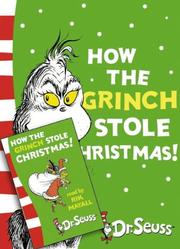 How the Grinch Stole Christmas!Dr. SeussA bouncy, mischievous read-aloud that starts with a sneer and ends with a remarkably warm, heart-swelling realization.
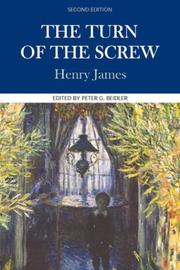 The Turn of the ScrewHenry JamesA masterclass in creeping dread where every shadow hides a question and the greatest monster might be the narrator's own mind.
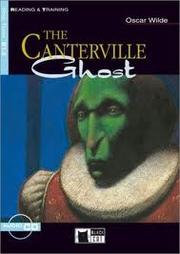 The Canterville GhostOscar WildeA sparkling, satirical collision of pragmatic modernism and gothic melodrama that unexpectedly melts into a tender fairy tale.
 Alice in Wonderland in Five ActsLewis CarrollA fast-paced, dialogue-heavy romp through a dreamscape where logic is turned entirely on its head.