Books › A Field Guide to Getting Lost

A Field Guide to Getting Lost
224 pages
A lyrical, associative journey that invites you to surrender to the beauty of not knowing exactly where you are.
What it feels like
Reading this book feels like taking a long, solitary walk through a landscape that shifts between the deeply personal and the vastness of history. The pace is intentionally meandering, inviting you to slow down and follow the author's associative leaps from Renaissance painting to punk rock, from family history to the color blue. The mood is expansive and slightly melancholic, wrapped in a lyrical, searching prose that feels both intimate and intellectually rigorous. It doesn't offer a map or a destination, but rather a profound comfort in the act of wandering itself. This is a book for the contemplative reader who finds beauty in uncertainty, loves the essay form, and is willing to surrender to the profound mysteries of the unknown.
- Mood
- expansive
- melancholic
- solitary
- atmospheric
- Tone
- contemplative
- lyrical
- intimate
- searching
- intellectual
- Pace
- meandering
- Themes
- the beauty of the unknown · memory and forgetting · the nature of distance · personal transformation · the art of wandering
- The writing
- Lyrical, associative, and deeply philosophical, weaving personal anecdote with historical and cultural analysis.
- The arc
- Moves from a sense of disorientation and loss toward a profound, peaceful acceptance of uncertainty.
- Who it's for
- For the contemplative reader who loves essayistic wanderings and finding meaning in the spaces between things.
Content notes
- grief
- loss
- historical trauma
About the book
Whether she is contemplating the history of walking as a cultural and political experience over the past two hundred years (Wanderlust), or using the life of photographer Eadweard Muybridge as a lens to discuss the transformations of space and time in late nineteenth-century America (River of Shadows), Rebecca Solnit has emerged as an inventive and original writer whose mind is daring in the connections it makes. A Field Guide to Getting Lost draws on emblematic moments and relationships in Solnit's own life to explore the issues of wandering, being lost, and the uses of the unknown. The result is a distinctive, stimulating, and poignant voyage of discovery. BACKCOVER: "A meditation on the pleasures and terrors of getting lost"—The New Yorker "This indispensable California writer's most personal book yet."—San Francisco Chronicle...
Description from Open Library.
Books like A Field Guide to Getting Lost
See why they match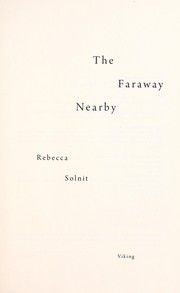 The faraway nearbyRebecca SolnitA lyrical, associative journey through the landscapes of memory, illness, and the stories that bind us together.
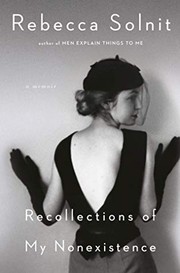 Recollections of My NonexistenceRebecca SolnitA lyrical, fiercely intelligent exploration of finding your voice and taking up space in a world designed to silence you.
 The Old WaysRobert MacfarlaneA lyrical, slow-paced meditation on how the landscapes we walk through shape the landscapes of our minds.
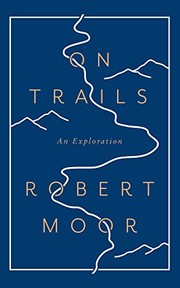 On TrailsRobert MoorA thoughtful, wandering journey that changes the way you look at the ground beneath your feet and the choices that guide your life.
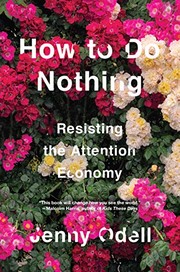 How to Do NothingJenny OdellA quiet, radical invitation to step off the treadmill of the attention economy and root yourself in the physical world.
 WildCheryl StrayedA blistered, blisteringly honest trek through the wilderness of grief toward a hard-won sense of peace.