Books › A Passage to India

A Passage to India
First published 1953 · 551 pages
A masterclass in atmospheric tension that exposes the fragile, tragic limits of human connection under the shadow of empire.
What it feels like
Reading this novel feels like standing under a sweltering, oppressive sun, waiting for a storm that never quite breaks. The narrative unfolds with a steady, observant grace, drawing you into a world where every polite conversation is laced with the poison of colonial hierarchy. Forster's prose is elegant and sharply ironic, yet it frequently gives way to moments of profound, almost mystical unease, particularly when confronting the vast, indifferent landscape. It is a deeply melancholic reading experience, tracing an arc from naive curiosity to shattering disillusionment. This is a book for those who savor psychological nuance and atmospheric tension, offering a haunting exploration of the invisible walls we build between one another and the tragic impossibility of true connection within a fractured world.
- Mood
- oppressive
- sun-baked
- tense
- mysterious
- alienating
- Tone
- wry
- observant
- philosophical
- ironic
- melancholic
- Pace
- steady
- Themes
- the impossibility of connection · colonial oppression · cultural dissonance · the limits of human understanding · the indifference of nature
- The writing
- Elegant, perceptive, and subtly ironic, punctuated by moments of soaring, almost mystical lyricism.
- The arc
- Moves from hopeful, naive curiosity to profound disillusionment and a lingering, unresolved melancholy.
- Who it's for
- Readers who appreciate nuanced psychological portraits, atmospheric settings, and sharp, character-driven critiques of empire.
Content notes
- racism
- colonial oppression
- false accusation of sexual assault
- xenophobia
About the book
When Adela Quested and her elderly companion Mrs Moore arrive in the Indian town of Chandrapore, they quickly feel trapped by its insular and prejudiced 'Anglo-Indian' community. Determined to escape the parochial English enclave and explore the 'real India', they seek the guidance of the charming and mercurial Dr Aziz, a cultivated Indian Muslim. But a mysterious incident occurs while they are exploring the Marabar caves with Aziz, and the well-respected doctor soon finds himself at the centre of a scandal that rouses violent passions among both the British and their Indian subjects. A masterly portrait of a society in the grip of imperialism, A Passage to India compellingly depicts the fate of individuals caught between the great political and cultural conflicts of the modern world.
Description from Open Library.
Books like A Passage to India
See why they match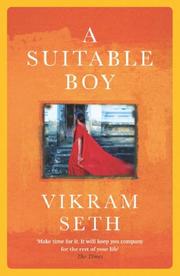 A Suitable BoyVikram SethA sprawling, deeply affectionate immersion into the bustling heart of a newly independent nation and the quiet pragmatism of the human heart.
 Howards EndE. M. ForsterA sharp, deeply felt exploration of what happens when the life of the mind collides with the brutal pragmatism of the modern world.
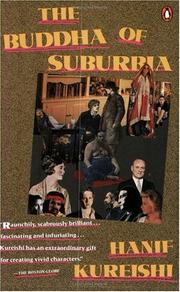 The Buddha of SuburbiaHanif KureishiA cheeky, vibrant romp through 1970s London that skewers class, race, and the messy business of growing up.
 Aspects of the novelEdward Morgan ForsterA witty, conversational masterclass on the mechanics of fiction, delivered through sharp bursts of insight by a master novelist.
 A Bend in the RiverV. S. NaipaulA chilling, clear-eyed descent into the fragility of civilization and the profound alienation of being caught between shifting historical tides.
 A Room with a ViewEdward Morgan ForsterA sun-drenched, gently satirical awakening of the heart amidst the stifling rules of Edwardian society.