Books › Abundance
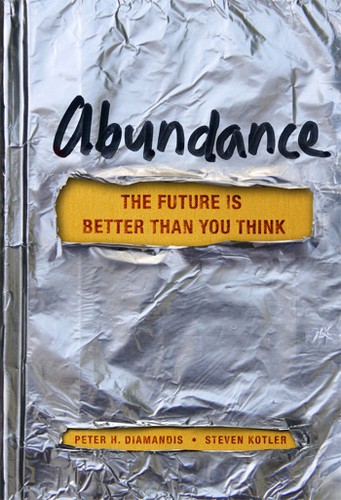
Abundance
The Future Is Better Than You Think
432 pages
An exhilarating, data-driven antidote to doomscrolling that makes the future feel bright, solvable, and entirely within our grasp.
What it feels like
Reading this book feels like stepping out of a storm of pessimistic news and into a brightly lit, high-tech laboratory where the world's smartest minds are actively solving our biggest problems. The pace is brisk, carrying you on a wave of infectious optimism as it leaps from one mind-bending technological breakthrough to the next. The mood is expansive and deeply energizing, replacing the dread of global scarcity with a soaring belief in human ingenuity. Written with the punchy, accessible flair of a visionary TED Talk, the prose translates complex data and cutting-edge science into a thrilling narrative of progress. It is a perfect read for entrepreneurs, tech enthusiasts, and anyone desperate for a rigorous, evidence-backed reason to feel hopeful about tomorrow.
- Mood
- hopeful
- energizing
- expansive
- forward-looking
- Tone
- optimistic
- persuasive
- visionary
- earnest
- authoritative
- Pace
- brisk
- Themes
- technological salvation · human ingenuity · overcoming scarcity · the power of innovation · global uplift
- The writing
- Accessible and punchy, blending journalistic storytelling with the persuasive energy of a high-stakes TED Talk.
- The arc
- Moves from the heavy weight of global crises to an exhilarating, evidence-backed conviction that a better world is within reach.
- Who it's for
- Tech enthusiasts, entrepreneurs, and weary doomscrollers looking for a data-driven reason to believe in the future.
Content notes
- discussions of global poverty
- resource scarcity
- disease
About the book
roviding abundance is humanity’s grandest challenge—this is a book about how we rise to meet it. We will soon be able to meet and exceed the basic needs of every man, woman and child on the planet. Abundance for all is within our grasp. This bold, contrarian view, backed up by exhaustive research, introduces our near-term future, where exponentially growing technologies and three other powerful forces are conspiring to better the lives of billions. An antidote to pessimism by tech entrepreneur turned philanthropist, Peter H. Diamandis and award-winning science writer Steven Kotler.
Since the dawn of humanity, a privileged few have lived in stark contrast to the hardscrabble majority. Conventional wisdom says this gap cannot be closed. But it is closing—fast. The authors document how four forces—exponential technologies, the DIY innovator, the Technophilanthropist, and the Rising Billion—are conspiring to solve our biggest problems. Abundance establishes hard targets for change and lays out a strategic roadmap for governments, industry and entrepreneurs, giving us plenty of reason for optimism.
Examining human need by category—water, food, energy, healthcare, education, freedom—Diamandis and Kotler introduce dozens of innovators making great strides in each area: Larry Page, Steven Hawking, Dean Kamen, Daniel Kahneman, Elon Musk, Bill Joy, Stewart Brand, Jeff Skoll, Ray Kurzweil, Ratan Tata, Craig Venter, among many, many others.
Description from Open Library.
Books like Abundance
See why they match The Future Is Faster Than You ThinkPeter H. Diamandis and Steven KotlerA dizzying, urgent roadmap to the exponential technological shifts about to reinvent our daily lives.
 BOLDPeter H. DiamandisA high-octane blueprint for dreamers ready to harness exponential technology and build the future.
 The InevitableKevin KellyA visionary roadmap to the next three decades of technological evolution and societal transformation.
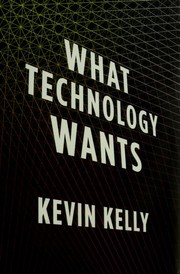 What technology wantsKevin KellyA sweeping, optimistic reframing of technology as a living, evolving force deeply intertwined with human destiny.
 The Singularity Is NearRay KurzweilA dizzying, data-heavy leap into a future where biology and technology become indistinguishable.
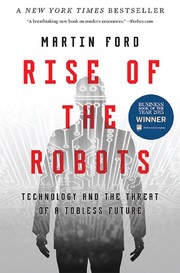 Rise of the RobotsMartin FordA sobering, data-driven look into the encroaching obsolescence of human labor and the urgent need to rethink our economic future.