Books › Addie Pray

Addie Pray
529 pages
A dusty, fast-talking journey through the Depression-era South, anchored by a scrappy orphan and the grifter who might be her father.
What it feels like
Narrated with the sharp, unsentimental voice of a street-smart orphan, this novel offers a dusty, restless journey through the Depression-era South. The atmosphere is steeped in the grit and desperation of the 1930s, yet it maintains a brisk, engaging momentum as its characters move from one elaborate swindle to the next. Rather than dwelling on tragedy, the story focuses on survival through deception, exploring the complicated, morally gray dynamics of an unconventional father-daughter bond. The prose captures the distinct cadence of its young narrator, blending wry observation with a pragmatic approach to a harsh world. It will delight readers who appreciate historical crime fiction centered on scrappy survivors, found families, and the art of the con.
- Mood
- dusty
- gritty
- nostalgic
- restless
- Tone
- wry
- street-smart
- unsentimental
- observant
- Pace
- brisk
- Themes
- found family · survival through deception · unconventional father figures · navigating hard times
- The writing
- The narrative voice is sharp, colloquial, and colored by the distinct Southern cadence of its young, street-smart protagonist.
- The arc
- A pragmatic, orphaned survivor navigates a harsh world by forging an unconventional, opportunistic bond with a potential father figure.
- Who it's for
- Readers who enjoy unsentimental historical fiction featuring scrappy protagonists and morally gray found families on the road.
Content notes
- orphanhood
- parental loss
- criminal behavior
- poverty
About the book
Addie Pray (1971) is a novel by Joe David Brown. It was the basis for the movie Paper Moon (1973) directed by Peter Bogdanovich. The novel was re-printed in 2002 as a paperback with the title Paper Moon: A Novel.
The novel is narrated by Addie, an orphaned girl, who travels with confidence man "Long Boy" Moses Pray in the early 1930s, during the Great Depression. Their travels are mainly in the State of Alabama, but they do go elsewhere on occasion. The second half of the novel takes place in and around New Orleans, where Addie and Mose become involved in a scam with confidence man Colonel Culpepper. This portion of the tale would be omitted from the film Paper Moon.
Addie states at the beginning of the novel that Long Boy may or may not be her father; she says that her late mother was the "wildest" girl in her town, and that Long Boy is one of her three possible fathers. The book features three scams not depicted in the movie, including bilking cotton dealers, investors in a worthless mine, and a wealthy lawyer in New Orleans.
Description from Open Library.
Books like Addie Pray
See why they match Daisy Fay and Miracle ManFannie FlaggAn intimate, diary-style journey through the pastoral South, tracing a young girl's transformation from a quiet wallflower to a vibrant force of nature.
 The Neon BibleJohn Kennedy TooleAn atmospheric, porch-lit coming-of-age tale steeped in the quiet isolation of a judgmental Southern town.
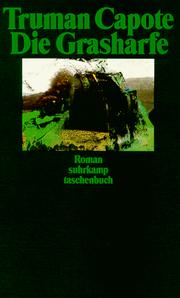 The Grass HarpTruman CapoteA warm, whimsical retreat into the branches of a tree house with a makeshift family of endearing misfits.
 Ode to Billy JoeHerman RaucherA tender and joyous Southern romance that inevitably gives way to a haunting, unforgettable tragedy.
 PaperboyVince VawterA nostalgic, summer-soaked journey of a young boy finding his voice and his place in a complex community.
 Moon over ManifestClare VanderpoolA dusty, sun-baked puzzle box of a novel where old letters and small-town secrets lead a drifting girl to the roots she never knew she had.