Books › Advanced programming in the Unix environment

Advanced programming in the Unix environment
First published 1992 · 1032 pages
An authoritative, deeply satisfying descent into the foundational architecture of modern computing.
What it feels like
Reading this book feels like being handed the blueprints to the digital universe by a master architect. It is not a book you skim; it is a steady, cerebral journey that demands focus and rewards it with profound clarity. The prose is exceptionally lucid, stripping away the opaque magic of operating systems to reveal the elegant, logical mechanics underneath. Through meticulous explanations and practical, line-by-line code examples, the atmosphere remains intensely focused and deeply educational. It transforms the daunting complexity of system calls and process control into an empowering toolkit. This is a definitive, satisfying experience for serious programmers and systems engineers who want to stop guessing how things work and finally understand the bedrock of modern computing.
- Mood
- focused
- cerebral
- structured
- illuminating
- Tone
- authoritative
- precise
- pedagogical
- pragmatic
- lucid
- Pace
- steady
- Themes
- system mastery · foundational knowledge · elegant engineering · under-the-hood mechanics
- The writing
- Meticulously clear and unadorned, prioritizing exactitude and practical demonstration through extensive code snippets.
- The arc
- Moves from a daunting confrontation with system complexity to a profound, empowering sense of technical mastery.
- Who it's for
- Serious developers and systems engineers who crave a foundational, no-nonsense understanding of how operating systems actually function.
About the book
Bestselling UNIX author W. Richard Stevens offers application developers and system programmers his professional, experience-based guidance on using the system call interface with C. In the first half of the book, Stevens describes more than 200 system calls and functions with a brief example program following each description. Having provided the basics, Stevens moves on to chapter-long examples. The book is applicable to all major UNIX releases, especially System V Release 4-including Solaris 2-and 4.4 BSD, including 386 BSD.
A tutorial that you just shouldn't be without
If you are an experienced C programmer with a working knowledge of UNIX, you cannot afford to be without this up-to-date tutorial on the system call interface and the most important functions found in the ANSI C library. Rich Stevens describes more than 200 system calls and functions; since he believes the best way to learn code is to read code, a brief example accompanies each description.
Building upon information presented in the first 15 chapters, the author offers chapter-long examples teaching you how to create a database library, a PostScript printer driver, a modem dialer, and a program that runs other programs under a pseudo terminal. To make your analysis and understanding of this code even easier, and to allow you to modify it, all of the code in the book is available via UUNET.
A 20-page appendix provides detailed function prototypes for all the UNIX, POSIX, and ANSI C functions that are described in the book, and lists the page on which each prototype function is described in detail. Additional tables throughout the text and a thorough index make Advanced Programming in the UNIX Environment an invaluable reference tool that all UNIX programmers - beginners to experts - will want on their bookshelves.
Advanced Programming in the UNIX Environment is applicable to all major UNIX releases, especially System V Release 4 and the latest release of 4.3BSD, including 386BSD. These real-world implementations allow you to more clearly understand the status of the current and future standards, including IEEE POSIX and XPG3.
Description from Open Library.
Books like Advanced programming in the Unix environment
See why they match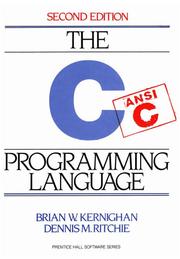 The C Programming LanguageBrian W. KernighanA masterclass in elegant brevity that feels like being handed the keys to the machine.
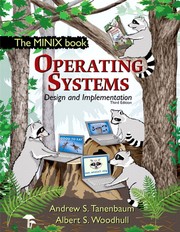 Operating SystemsAndrew S. Tanenbaum and Albert S. WoodhullA methodical, illuminating descent into the very bedrock of modern computing, turning abstract theory into tangible code.
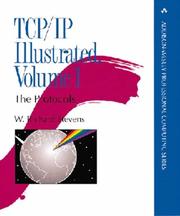 The Protocols (TCP/IP Illustrated, Volume 1)Kevin R. Fall; W. Richard StevensA masterclass in clarity that transforms the invisible plumbing of the internet into an elegant, understandable architecture.
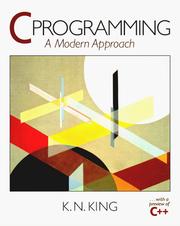 C programmingKim N. KingA lucid, methodical journey into the bedrock of modern computing that transforms intimidation into structural mastery.
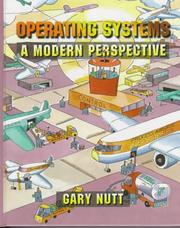 Operating systemsNutt, GaryA rigorous, hands-on descent into the hidden architecture and logic that powers modern computing.
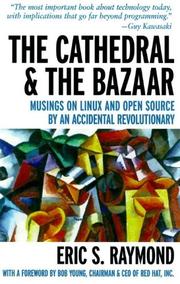 The Cathedral and the BazaarEric S. RaymondAn energetic, foundational manifesto that captures the rebellious and collaborative spirit of the open-source revolution.