Books › Aesop's Fables

Aesop's Fables
First published 1897 · 475 pages
A timeless collection of bite-sized allegories where talking animals deliver sharp, pragmatic truths about human folly.
What it feels like
Reading this collection feels like sitting at the feet of an ancient storyteller who understands exactly how foolish humans can be. The pace is incredibly brisk, with each bite-sized tale delivering a swift, unadorned narrative that wastes no time getting to the point. You are immersed in a pastoral but pragmatic world where foxes scheme, ants toil, and lions are outsmarted by mice. The mood is a unique blend of whimsical and cautionary; the talking animals draw you in with a sense of childhood nostalgia, but the sharp, often unforgiving moral punchlines remind you of the harsh realities of survival and justice. It is a deeply satisfying read for anyone who appreciates economical storytelling, wry observations on human nature, and the timeless triumph of cleverness over brute strength.
- Mood
- pastoral
- cautionary
- nostalgic
- pragmatic
- Tone
- didactic
- wry
- straightforward
- moralistic
- Pace
- brisk
- Themes
- human folly · cleverness and wit · moral consequences · survival of the smartest · nature of justice
- The writing
- Spare, unadorned, and highly economical, prioritizing clear action and immediate moral impact over descriptive flourish.
- The arc
- A rapid cycle of whimsical setups that quickly pivot into sharp, inevitable lessons on human nature.
- Who it's for
- Anyone who delights in bite-sized, allegorical storytelling where cleverness is rewarded and foolishness is swiftly punished.
Content notes
- animal death
- mild violence
- harsh moral judgments
About the book
Aesop fables are a collection of fables credited to Aesop, a slave and story-teller believed to have lived in ancient Greece between 620 and 560 BCE.
Description from Open Library.
Books like Aesop's Fables
See why they match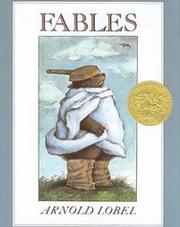 FablesArnold LobelA cozy, wryly observant collection of bite-sized wisdom wrapped in gentle animal absurdity.
 The Blue Fairy BookAndrew LangAn enchanting journey through the foundational magic and timeless folklore of classic European storytelling.
 Treasury of classic stories for childrenHans Christian AndersonA cozy, fireside journey through the timeless rhythms of classic folklore and fables.
 Arabian NightsMuhsin MahdiA hypnotic labyrinth of stories-within-stories where wit and narrative are the only things keeping death at bay.
 Kinder- und HausmärchenGrimm, BrothersA journey into a dark, ancient forest where magic is dangerous, justice is brutal, and survival requires cunning.
 The Age of FableThomas BulfinchA grand, foundational tapestry of gods and heroes told with Victorian elegance and earnest reverence.