Books › Aesop's fables

Aesop's fables
306 pages
A timeless collection of bite-sized allegories that use the animal kingdom to lay bare the follies and triumphs of human nature.
What it feels like
Reading this collection feels like sitting around an ancient hearth, listening to a storyteller distill the complexities of human nature into sharp, bite-sized truths. The pace is inherently brisk, as each fable swiftly sets a scene, introduces a conflict, and delivers a punchy moral resolution before moving on to the next. The mood is pastoral yet cautionary, populated by talking beasts and foolish mortals who act out our deepest flaws and cleverest triumphs. Its prose is sparse and unadorned, functioning as a perfect, frictionless vehicle for timeless wisdom. It delights readers who appreciate folklore, allegory, and the wry satisfaction of seeing arrogance punished and wit rewarded in stories that have shaped cultural consciousness for millennia.
- Mood
- pastoral
- cautionary
- allegorical
- folksy
- Tone
- didactic
- wry
- pragmatic
- moralistic
- timeless
- Pace
- brisk
- Themes
- human folly · moral instruction · animal allegory · wisdom and foolishness · survival of the clever
- The writing
- Sparse, direct, and unadorned, crafted to deliver its allegorical payload with maximum efficiency and memorable punch.
- The arc
- A rhythmic cycle of setup, conflict, and swift moral reckoning that leaves the reader nodding at the inevitability of human nature.
- Who it's for
- Anyone who delights in folklore, ancient wisdom, and bite-sized stories that reveal the enduring quirks of human behavior.
Content notes
- animal death
- mild violence
- predation
About the book
The story goes that a sow who had delivered a whole litter of piglets loudly accosted a lioness. "How many children do you breed?" asked the sow. "I breed only one," said the lioness, "but he is very well bred!"' The fables of Aesop have become one of the most enduring traditions of European culture, ever since they were first written down nearly two millennia ago. Aesop was reputedly a tongue-tied slave who miraculously received the power of speech; from his legendary storytelling came the collections of prose and verse fables scattered throughout Greek and Roman literature. First published in English by Caxton in 1484, the fables and their morals continue to charm modern readers: who does not know the stories of the tortoise and the hare, and the boy who cried wolf? This new translation is the first to represent all the main fable collections in ancient Latin and Greek, arranged according to the fables' contents and themes. It includes 600 fables, many of which come from sources never before translated into English.
Description from Open Library.
Books like Aesop's fables
See why they match Arabian NightsMuhsin MahdiA hypnotic labyrinth of stories-within-stories where wit and narrative are the only things keeping death at bay.
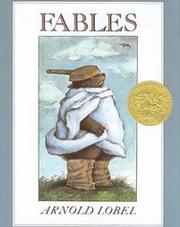 FablesArnold LobelA cozy, wryly observant collection of bite-sized wisdom wrapped in gentle animal absurdity.
 Treasury of classic stories for childrenHans Christian AndersonA cozy, fireside journey through the timeless rhythms of classic folklore and fables.
 MoraliaPlutarchA sprawling, conversational banquet of ancient wisdom that invites you to pull up a chair and ponder the art of living well.
 TheogonyHesiodA sweeping, primordial catalog of cosmic power struggles that lays the foundation for Western mythology.
 Kinder- und HausmärchenGrimm, BrothersA journey into a dark, ancient forest where magic is dangerous, justice is brutal, and survival requires cunning.