Books › Ajax
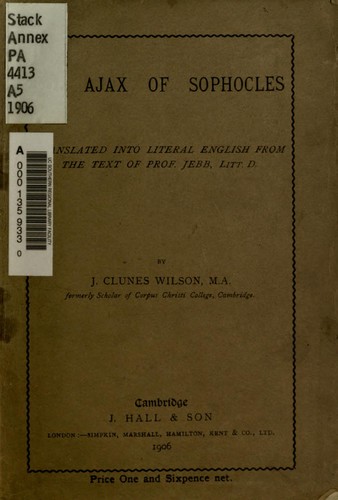
Ajax
430 pages
A bold, tragic reimagining of an archaic warrior's final moments, transforming deep shame into timeless heroism.
What it feels like
Reading this early Sophoclean tragedy feels like witnessing a profound philosophical shift in real time. The mood is somber and elevated, steeped in the fatalistic atmosphere of classical Greek drama. Rather than a straightforward tale of a fallen warrior, the narrative carries a bold, reverent tone that turns traditional mythology inside out. The pacing is steady, building an intense emotional arc that moves from the crushing weight of betrayal and shame toward a radical, transcendent reclamation of honor. The translation is precise and eloquent, preserving the archaic weight of the original text while clarifying its visionary themes. It is a deeply moving experience for readers who are drawn to classical literature and the complex, timeless nature of tragic heroism.
- Mood
- somber
- elevated
- fatalistic
- intense
- Tone
- tragic
- bold
- reverent
- philosophical
- Pace
- steady
- Themes
- the nature of heroism · shame and honor · transcending time · betrayal and legacy
- The writing
- Eloquent and precise, capturing the elevated, archaic weight of classical Greek tragedy.
- The arc
- Moves from the heavy burden of shame and betrayal toward a bold, transcendent reclamation of honor.
- Who it's for
- Readers who appreciate bold reinterpretations of classical myths and deep explorations of tragic heroism.
Content notes
- suicide
- betrayal
About the book
Brought boldly to life by Herbert Golder and Richard Pevear's translation and contextualized by Herbert Golder's eloquent introduction, this early Sophoclean tragedy tells the story of the Homeric hero better known as Ajax, who was second only to Achilles among the Greek warriors. In Greek tradition, Aias figures as the archaic warrior who dies in shame after his betrayal by the Greeks. Sophocles turns tradition inside out, portraying Aias' suicide not as a disgrace but as heroism.
He endows Aias' suicide with a meaning radically different from previous versions of the Aias myth - Aias is not the hero whom time has passed by, but rather the man who steps beyond time. Most previous versions and interpretations have equivocated over Sophocles' bold vision. This edition of Aias translates precisely that transformation of the hero from the bygone figure to the man who transcends time.
Description from Open Library.
Books like Ajax
See why they match ElectraSophoclesA raw, relentless descent into the consuming fire of grief and the terrifying cost of righteous vengeance.
 AntigoneSophoclesA fierce, dread-soaked collision between individual conscience and state power that barrels toward inevitable ruin.
 An OresteiaAeschylusAn innovative, modern-tongued reimagining of a classic triumvirate of vengeance.
 AlcestisEuripidesA poignant, genre-defying exploration of sacrifice and hospitality where profound grief collides with unexpected, miraculous salvation.
 AgamemnonAeschylusA grand, poetic translation of a classical Greek tragedy steeped in mythological weight.
 MedeaEuripidesA dread-soaked masterclass in righteous fury that spirals into unstoppable, devastating vengeance.