Books › Ali und Nino
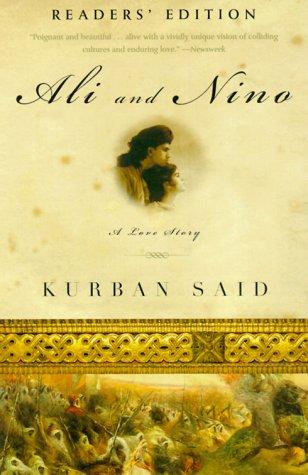
Ali und Nino
First published 2000 · 384 pages
A sweeping, tear-jerking saga of forbidden love caught in the crossfire of colliding empires and shifting cultural identities.
What it feels like
Reading this novel feels like stepping into a beautifully doomed, vanishing world. It is a sweeping, cinematic experience that balances the intoxicating rush of a forbidden romance with the heavy, encroaching dread of historical upheaval. The atmosphere is incredibly rich, steeped in the sensory details of the Caucasus—from the stark beauty of the desert to the vibrant, chaotic streets of early twentieth-century Baku. The prose is lush and slightly melodramatic, reading almost like a modern fable or a classic epic, pulling you deep into the emotional tug-of-war between Eastern traditions and Western modernity. It will deeply satisfy readers who love tragic, old-fashioned love stories that are inextricably bound to the tragic loss of a homeland.
- Mood
- sweeping
- bittersweet
- atmospheric
- doomed
- Tone
- earnest
- nostalgic
- elegiac
- romantic
- Pace
- steady
- Themes
- clash of East and West · doomed romance · loss of homeland · cultural identity · the toll of war
- The writing
- Lush, evocative, and cinematic, blending stark realism with poetic, almost fable-like descriptions of the Caucasus.
- The arc
- Moves from the intoxicating thrill of forbidden young love into the heartbreaking reality of historical upheaval and cultural fracture.
- Who it's for
- Readers who crave sweeping, tragic historical romances set against the backdrop of a vanishing, culturally complex world.
Content notes
- war violence
- historical misogyny
- death of loved ones
- imperialism
About the book
First published in 1937 and issued in the U.S. by Random House in 1970, Said's romantic tale of young love and political upheaval in Central Asia calls for violins and handkerchiefs. Set mostly in Azerbaijan during WWI and the Russian Revolution, this captivating novel is a cinematic, at times melodramatic, mix of romance and wartime adventure. Its hero, narrator Ali Khan Shirvanshir, a Tartar and Shi'ite Muslim, flouts social convention by marrying his childhood friend, Nino Kipiani, a fair-skinned Georgian Christian. Ali rebels against a tradition-bound, male-chauvinist society typified by his father's pre-wedding advice: "Do not beat her when she is pregnant." When war erupts, Nino, ensconced in a villa in Tehran, keeps her pregnancy by Ali a secret as long as she can. Their marriage is a union of Western and Eastern sensibilities. Nino is unhappy in Persia, but Ali is reluctant to accompany her to Paris, where she flees with their infant daughter as Ali marches off to defend the short-lived Azerbaijani republic against the invading Red Army. Said (1905-1942) was born Lev Naussimbaum in Baku, the son of a German governess and a Jewish businessman. He combines starkly realistic depictions of war with colorful tableaux?wild dances, an oral poetry competition, desert camels, a meddlesome eunuch. A saga of war and love and the difficult marriage of Europe and Asia in the Caucasus, this is at heart a rousing, old-fashioned, tear-jerking love story.
Description from Open Library.
Books like Ali und Nino
See why they match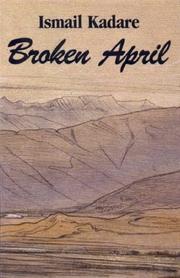 Broken AprilIsmail KadareA stark, dread-soaked journey into a world where ancient blood feuds dictate life and death, while outsiders watch with chilling detachment.
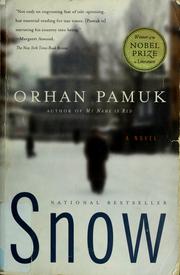 SnowOrhan PamukA mesmerizing, snow-muffled descent into the dangerous intersection of art, faith, and political fanaticism.
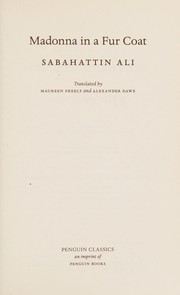 Madonna in a Fur CoatSabahattin AliA quietly devastating exploration of a hidden life, where a single, fleeting romance in 1920s Berlin leaves a permanent mark on a soul.
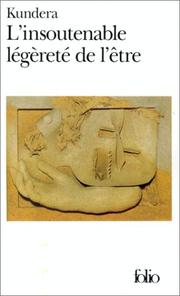 Nesnesitelná lehkost bytíMilan KunderaAn aphoristic, deeply sensual meditation on the existential weight of our choices and the messy complexities of human connection.
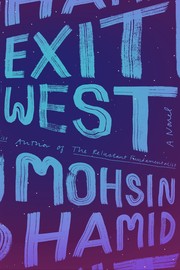 Exit WestMohsin HamidA breathtaking, fable-like journey through magical doors that explores how love and humanity endure when the world fractures.
 Ayesha At LastUzma JalaluddinA vibrant, banter-filled romp through family expectations and mistaken judgments that feels like a warm hug.