Books › All's Well That Ends Well

All's Well That Ends Well
First published 1734 · 556 pages
A dark, thorny comedy where love is a battlefield of deception and the happy ending leaves a lingering, bitter aftertaste.
What it feels like
Reading this play feels like walking through an autumnal garden where the flowers are beautiful but slightly poisonous. It is a problem play in the truest sense, wrapping a dark, cynical core in the trappings of a romantic comedy. The mood is uneasy and melancholic, driven by a heroine whose relentless, almost obsessive pursuit of an unloving husband forces the reader to grapple with deep moral ambiguity. The pacing is steady, anchored by dense, philosophical verse and sharp, biting wit. It delights readers who prefer their romances thorny and compromised, offering an emotional journey that moves from desperate longing to a resolution that feels distinctly hollow. It is a brilliant, unsettling exploration of human flaws, deception, and the transactional nature of desire.
- Mood
- uneasy
- melancholic
- morally gray
- autumnal
- Tone
- ambiguous
- cynical
- pragmatic
- bittersweet
- wry
- Pace
- steady
- Themes
- unrequited love · moral ambiguity · transactional marriage · deception and trickery · class vs. worth
- The writing
- Dense, poetic, and highly rhetorical, blending sharp wit with somber, philosophical verse.
- The arc
- Moves from desperate, unrequited longing through morally questionable maneuvering to a hollow, uneasy resolution.
- Who it's for
- Readers who enjoy complex, unlikable characters and stories where happy endings feel distinctly compromised.
Content notes
- sexual deception
- toxic relationships
- misogyny
- classism
About the book
"For this updated edition, Alexander Leggatt has written a wholly new introduction to Russell Fraser's edition of one of Shakespeare's most puzzling, ambiguous and demanding plays. Leggatt's interest in performance informs his introduction and his account of the instability of the main characters. He offers a full, illustrated and thoughtful account of the play's critical and theatrical fortunes to the end of the twentieth century, and of our experience as an audience of seeing and hearing it performed. An updated reading list completes the edition."--Jacket.
Description from Open Library.
Books like All's Well That Ends Well
See why they match Much Ado About NothingWilliam ShakespeareA sun-drenched, razor-sharp battle of wits that melts into a surprisingly tender exploration of vulnerability and trust.
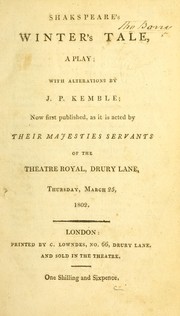 Winter's TaleWilliam ShakespeareA fractured fairy tale that breaks your heart with sudden cruelty before slowly mending it with time, nature, and a touch of magic.
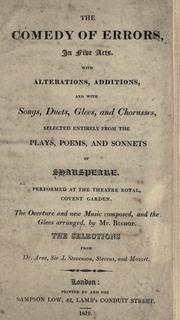 The Comedy of ErrorsStanley W. WellsA frantic, pun-filled descent into mistaken identity where chaos reigns until the final, joyous unraveling.
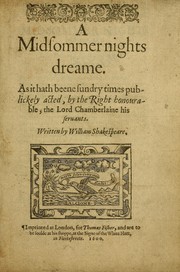 A Midsummer Night's DreamMichael HoffmanA moonlit romp through an enchanted forest where love is a chaotic, intoxicating, and deeply silly magic.
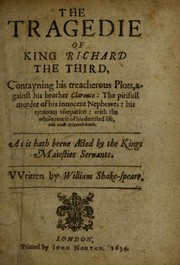 Richard IIIShakespeareA masterclass in charismatic villainy that makes you the gleeful, horrified accomplice to a tyrant's bloody rise and fall.
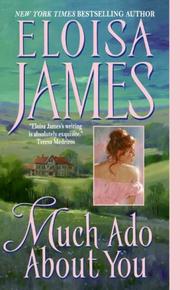 Much Ado About YouEloisa JamesA sparkling, banter-filled Regency romp where the heavy burden of sisterly duty gives way to the delightful chaos of falling for a notorious rake.