Books › An Inspector Calls

An Inspector Calls
First published 1945 · 304 pages
A claustrophobic parlor drama that peels back the veneer of bourgeois respectability to reveal the rot of complicity underneath.
What it feels like
Reading this play feels like sitting in a locked room while the air is slowly sucked out. It begins in a glow of smug, post-dinner complacency, but quickly pivots into a relentless, dread-soaked interrogation. The pacing is incredibly propulsive, driven entirely by sharp, economical dialogue that strips away the characters' bourgeois defenses layer by layer. There is a profound sense of claustrophobia here—not just physically within the dining room, but morally, as the inescapable weight of collective guilt closes in. It is a brilliant, didactic thriller that will delight readers who love biting social critiques wrapped in the tense, ticking-clock structure of a classic whodunit. You will leave it feeling unsettled, questioning your own complicity in the world.
- Mood
- claustrophobic
- dread-soaked
- uneasy
- ominous
- Tone
- accusatory
- tense
- moralistic
- satirical
- unforgiving
- Pace
- propulsive
- Themes
- social responsibility · class hypocrisy · collective guilt · the illusion of respectability · generational divide
- The writing
- Sharp, economical, and dialogue-driven, designed to relentlessly ratchet up the tension.
- The arc
- Moves from smug, celebratory complacency into defensive panic, culminating in a chilling realization of inescapable guilt.
- Who it's for
- Readers who love locked-room mysteries that double as biting social critiques and moral thought experiments.
Content notes
- suicide
- class-based exploitation
- alcoholism
- misogyny
About the book
An Inspector Calls, first produced in 1946 when society was undergoing sweeping transformations, has recently enjoyed an enormously successful revival. While holding its audience with the gripping tension of a detective thriller, it is also a philosophical play about social conscience and the crumbling of middle class values. Time and the Conways and I Have Been Here Before belong to Priestley's 'time'plays, in which he explores the idea of precognition and pits fate against free will. The Linden Tree also challenges preconceived ideas of history when Professor Linden comes into conflict with his family about how life should be lived after the war.
Description from Open Library.
Books like An Inspector Calls
See why they match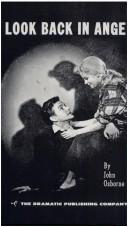 Look Back in AngerJohn OsborneA blistering, claustrophobic descent into the bitter heart of a marriage suffocating under the weight of class resentment and post-war disillusionment.
 All My SonsArthur MillerA suffocating, slow-burn tragedy where the ghosts of the past dismantle the fragile facade of a post-war family.
 The PillowmanMartin McDonaghA claustrophobic, pitch-black descent into the horrifying power of storytelling and the legacy of trauma.
 BetrayalHarold PinterA masterclass in subtext where the end is the beginning, and every lie is magnified by the tragedy of hindsight.
 The MousetrapAgatha ChristieA snowbound, locked-room puzzle where cozy domesticity slowly rots into claustrophobic paranoia.
 The Importance of Being EarnestOscar WildeA sparkling, laugh-out-loud comedy of manners where the greatest crime one can commit is being boring.