Books › An introduction to Zen Buddhism

An introduction to Zen Buddhism
First published 1934 · 1528 pages
A lively and accessible gateway into the philosophy of Zen, offering a straightforward framework for self-understanding.
What it feels like
Reading this classic work feels like sitting down with a deeply knowledgeable yet approachable teacher. The pace is steady and deliberate, allowing complex intersections of philosophy, psychology, and ethics to unfold in a lively, straightforward manner. Rather than getting bogged down in dense academic jargon, the prose remains accessible and illuminating, creating a contemplative and grounded mood. The emotional journey is one of expanding awareness, guiding the reader toward self-understanding and a more balanced existence. It is a deeply fulfilling experience for both the serious student of religion and the curious layperson seeking a practical framework for enlightenment and inner peace.
- Mood
- contemplative
- balanced
- enlightening
- grounded
- Tone
- accessible
- straightforward
- lively
- illuminating
- authoritative
- Pace
- steady
- Themes
- self-understanding · enlightenment · balanced existence · philosophical inquiry · ethical living
- The writing
- Lively, accessible, and straightforward, designed to illuminate complex philosophical and psychological systems for both laypeople and serious students.
- The arc
- Moves from initial curiosity about Eastern philosophy toward a grounded sense of self-understanding and balanced living.
- Who it's for
- Readers seeking a clear, foundational understanding of Zen philosophy and those looking for a framework for a more fulfilled existence.
About the book
One of the world’s leading authorities on Zen Buddhism, D. T. Suzuki was the author of more than a hundred works on the subject in both Japanese and English, and was most instrumental in bringing the teachings of Zen Buddhism to the attention of the Western world. Written in a lively, accessible, and straightforward manner, An Introduction to Zen Buddhism is illuminating for the serious student and layperson alike. Suzuki provides a complete vision of Zen, which emphasizes self-understanding and enlightenment through many systems of philosophy, psychology, and ethics. With a foreword by the renowned psychiatrist Dr. Carl Jung, this volume has been generally acknowledged a classic introduction to the subject for many years. It provides, along with Suzuki’s Essays and Manual of Zen Buddhism, a framework for living a balanced and fulfilled existence through Zen.
Description from Open Library.
Books like An introduction to Zen Buddhism
See why they match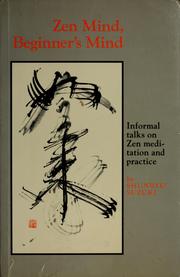 Zen mind, beginner's mindSuzuki, ShunryuA gentle, paradoxical invitation to drop your expertise and experience the world with the fresh, open eyes of a beginner.
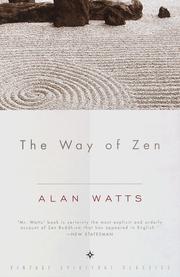 The Way of ZenAlan WattsA lucid, conversational bridge into Eastern philosophy that gently dismantles the anxious, overthinking mind.
 Meditation for BeginnersJack KornfieldA warm, welcoming invitation to quiet the mind and find stillness amidst the chaos of daily life.
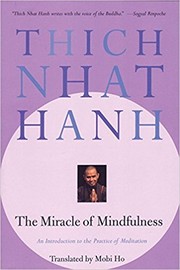 The Miracle of MindfulnessThich Nhat HanhA gentle invitation to slow down and find the sacred in the simplest acts of daily life.
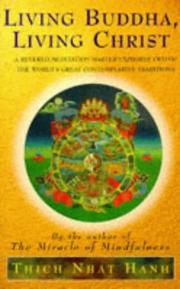 Living Buddha, living ChristNhat Hanh, ThichA gentle, bridge-building meditation that invites you to find the shared heartbeat of two great spiritual traditions.
 Zen in the Art of ArcheryEugen HerrigelA quiet, transformative meditation on letting go of the ego to hit the target of true understanding.