Books › And Then There Were None

And Then There Were None
2010 pages
A masterclass in mounting dread where isolation and guilt slowly tighten the noose around a doomed cast.
What it feels like
Reading this foundational mystery feels like watching a meticulously constructed trap snap shut in slow motion. The atmosphere is immediately claustrophobic, trapping you on a storm-battered island where the tension thickens with every turned page. Christie's prose is famously economical, stripping away unnecessary embellishment to focus entirely on the psychological unraveling of her cast. As the body count rises, the mood shifts from uneasy curiosity to suffocating paranoia, making you suspect everyone and trust no one. It is a propulsive, dread-soaked experience that relies on the inescapable weight of past sins rather than cheap jump scares. Perfect for readers who crave a tightly wound puzzle box and the chilling satisfaction of a perfectly executed, inescapable endgame.
- Mood
- claustrophobic
- dread-soaked
- paranoid
- isolated
- Tone
- ominous
- detached
- clinical
- suspenseful
- Pace
- propulsive
- Themes
- guilt and retribution · inescapable past · facade of civility · psychological breakdown
- The writing
- Crisp, economical, and sharply observant, using dialogue and internal monologue to build relentless tension.
- The arc
- Begins with uneasy curiosity, spirals into suffocating paranoia, and concludes with a chilling sense of inevitability.
- Who it's for
- Fans of tightly constructed puzzle boxes and locked-room mysteries who enjoy watching characters unravel under pressure.
Content notes
- murder
- suicide
- poisoning
- hanging
- historical racism
About the book
And Then There Were None is a mystery novel by the English writer Agatha Christie, described by her as the most difficult of her books to write. It was first published in the United Kingdom by the Collins Crime Club on 6 November 1939, as Ten Little Niggers, after the children's counting rhyme and minstrel song, which serves as a major element of the plot. A US edition was released in January 1940 with the title And Then There Were None, which is taken from the last five words of the song. All successive American reprints and adaptations use that title, except for the Pocket Books paperbacks published between 1964 and 1986, which appeared under the title Ten Little Indians. UK editions continued to use the original title until the current definitive title appeared with a reprint of the 1963 Fontana Paperback in 1985.
In 1990 Crime Writers' Association ranked And Then There Were None 19th in their The Top 100 Crime Novels of All Time list. In 1995 in a similar list Mystery Writers of America ranked the novel 10th. In September 2015, to mark her 125th birthday, And Then There Were None was named the "World's Favourite Christie" in a vote sponsored by the author's estate. In the "Binge!" article of Entertainment Weekly Issue #1343-44 (26 December 2014–3 January 2015), the writers picked And Then There Were None as an "EW favorite" on the list of the "Nine Great Christie Novels".
Description from Open Library.
Books like And Then There Were None
See why they match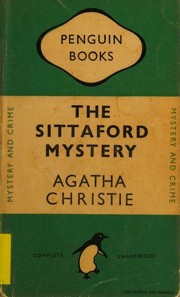 The Sittaford MysteryAgatha ChristieA snowbound parlor game spirals into a chillingly clever puzzle where the line between the supernatural and human malice blurs.
 Why Didn't they Ask Evans?Agatha ChristieA breezy, banter-filled romp through the English countryside where two amateur sleuths chase a dying man's cryptic last words.
 Double Sin and Other StoriesAgatha Christie; Hugh Fraser; Joan Hickson; JamesA collection of ingenious, terror-shadowed puzzles that invite readers to match wits with master sleuths.
 Partners in CrimeAngus WilsonA delightfully meta romp through classic mystery tropes, fueled by the sparkling banter of a husband-and-wife sleuthing duo.
 The Mysterious Affair at StylesChristie, A.A quintessential country-house puzzle where polite society masks deadly intentions and every clue is a piece of an elegant intellectual game.
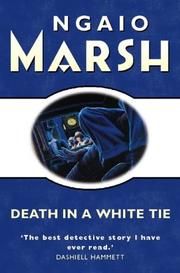 Death in a White TieNgaio MarshA glittering, champagne-soaked descent into the deadly secrets of 1930s London high society.