Books › Apprendre !
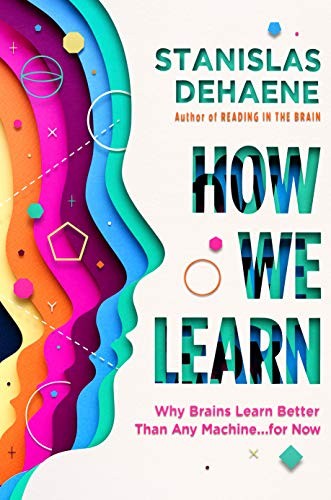
Apprendre !
384 pages
An illuminating journey into the biological machinery of the human brain that empowers readers to unlock their own cognitive potential.
What it feels like
Reading this book feels like taking a guided tour through the microscopic architecture of your own mind. The pacing is steady and methodical, carefully unpacking the dense neurobiology of synapses and brain plasticity with an accessible, optimistic tone. It cultivates a mood of deep intellectual curiosity, blending the awe-inspiring complexity of human cognition with the cutting-edge frontiers of artificial intelligence. Rather than a dry academic text, the prose feels empowering, translating the biological mechanisms of attention and memory into practical pillars for everyday life. It is a deeply hopeful reading experience that delights educators, tech enthusiasts, and lifelong learners, leaving them with a profound appreciation for the brain's unparalleled ability to adapt, reprogram, and grow at any age.
- Mood
- intellectually stimulating
- hopeful
- curious
- Tone
- informative
- optimistic
- analytical
- authoritative
- accessible
- Pace
- steady
- Themes
- the mechanics of the mind · lifelong adaptability · human vs. artificial intelligence · the power of neuroplasticity · optimizing human potential
- The writing
- Clear, scientific, and explanatory, translating complex neurobiological processes into digestible, actionable insights.
- The arc
- Moves from a sense of awe at the brain's complex biological machinery to an empowering realization of our lifelong capacity for growth.
- Who it's for
- Curious lifelong learners, educators, and science enthusiasts eager to understand the biological underpinnings of how we acquire knowledge.
About the book
"In today's technological society, with an unprecedented amount of information at our fingertips, learning plays a more central role than ever. In How We Learn, Stanislas Dehaene decodes its biological mechanisms, delving into the neuronal, synaptic, and molecular processes taking place in the brain. He explains why youth is such a sensitive period, during which brain plasticity is maximal, but also assures us that our abilities continue into adulthood, and that we can enhance our learning and memory at any age. We can all 'learn to learn' by taking maximal advantage of the four pillars of the brain's learning algorithm: attention, active engagement, error feedback, and consolidation. The human brain is an extraordinary machine. Its ability to process information and adapt to circumstances by reprogramming itself is unparalleled, and it remains the best source of inspiration for recent developments in artificial intelligence. The exciting advancements in A.I. of the last twenty years reveal just as much about our remarkable abilities as they do about the potential of machines. How We Learn finds the boundary of computer science, neurobiology, and cognitive psychology to explain how learning really works and how to make the best use of the brain's learning algorithms, in our schools and universities as well as in everyday life"--
Description from Open Library.
Books like Apprendre !
See why they match How we learnBenedict CareyA reassuring, science-backed permission slip to stop cramming and start letting your brain learn the way it actually wants to.
 Brain RulesJohn MedinaA witty, science-backed user manual for the human mind that turns complex neurology into actionable daily habits.
 Make It StickPeter C. Brown; Henry L. Roediger III; Mark A. McDanielA paradigm-shifting guide that dismantles everything you thought you knew about learning, replacing frustration with evidence-based empowerment.
 Seven and a Half Lessons about the BrainLisa Feldman BarrettA brisk, mind-expanding tour through the gray blob between your ears that shatters popular myths about human behavior.
 You are Not So SmartDavid McraneyA playful, humbling tour through the many ways your brain tricks you into thinking you're a rational human being.
 The Brain That Changes ItselfNorman DoidgeAn awe-inspiring exploration of human resilience that will fundamentally change how you view your own mind's potential.