Books › Art and illusion
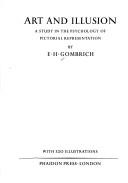
Art and illusion
a study in the psychology of pictorial representation
512 pages
A mind-expanding exploration of human perception that forever alters the way you look at a canvas.
What it feels like
Reading this book feels like walking through a grand, quiet museum alongside a brilliant, endlessly patient curator who is less interested in the paintings than in your own eyes. It is a deeply illuminating, steady-paced intellectual journey that bridges the gap between the humanities and the sciences. The prose is elegant and lucid, translating dense psychological theories of perception into accessible revelations that fundamentally shift how you experience the visual world. Instead of merely absorbing art history, you are invited to investigate the very mechanics of seeing. It is a contemplative, mind-expanding experience perfect for artists, philosophers, and anyone who has ever wondered why a few strokes of paint can so convincingly trick the human brain.
- Mood
- contemplative
- illuminating
- intellectual
- curious
- Tone
- erudite
- inquisitive
- authoritative
- philosophical
- accessible
- Pace
- steady
- Themes
- the mechanics of perception · the illusion of reality · the intersection of art and science · the beholder's share · evolution of visual language
- The writing
- Elegant, lucid, and meticulously reasoned, guiding the reader through complex psychological concepts with the steady hand of a master lecturer.
- The arc
- Begins with familiar assumptions about looking at art and gradually dismantles them, leaving the reader with a profound sense of awe at the active power of the human mind.
- Who it's for
- Curious museum-goers, artists, and armchair philosophers who want to understand the hidden cognitive machinery behind how we perceive the visual world.
About the book
"Considered a great classic by all who seek a meeting ground between science and the humanities. Art and Illusion examines the history and psychology of pictorial representation in light of present-day theories of visual perception information and learning. Searching for a rational explanation of the changing styles of art, Gombrich reexamines many ideas on the imitation of nature and the function of tradition.
In testing his arguments he ranges over the history of art, noticing particularly the accomplishments of the ancient Greeks, and the visual discoveries of such masters as Leonardo da Vinci and Rembrandt, as well as the impressionists and the cubists. Gombrich's main concern is less with the artists than with ourselves, the beholders."--BOOK JACKET.
Description from Open Library.
Books like Art and illusion
See why they match The story of artErnst Hans GombrichA warm, conversational stroll through the entire history of human creativity with the world's most patient museum guide.
 About LookingJohn BergerA quiet, piercing invitation to slow down and interrogate the profound meaning hidden in our everyday acts of observation.
 Seurat and the science of paintingWilliam Innes HomerA meticulous, illuminating deep dive into the scientific theories that shaped the colors and harmonies of a Post-Impressionist master.
 Ways of SeeingJohn BergerA radical, mind-altering lens that permanently changes how you look at art, advertising, and the world around you.
 Art historyMarilyn & Margaret A. Oppenheimer StokstadA sweeping, visually magnificent journey through the entirety of human creativity and cultural expression.
 Gardner's Art Through the AgesFred S. KleinerA structured, scholarly journey through the visual legacy of Western civilization.