Books › Arthur and George

Arthur and George
First published 2005 · 512 pages
A meticulously crafted Edwardian mystery that trades thriller pacing for a profound, quietly indignant exploration of prejudice and the nature of belief.
What it feels like
Reading this novel feels like stepping into a gaslit, fog-draped Edwardian world where the true mystery lies not in a crime, but in the human heart. It is a steady, deeply absorbing experience that contrasts the expansive, imaginative life of a famous author with the rigid, constrained existence of an obscure solicitor. The narrative unfolds with a quiet indignation, drawing you into a frustrating battle against institutional prejudice and the fragility of justice. The prose is elegant and subtly wry, capturing the precise social mores of the era without ever feeling dusty. It will thoroughly delight readers who crave literary historical fiction that uses a true-crime framework to deliver a profound, melancholic character study rather than a fast-paced thriller.
- Mood
- gaslit
- quietly indignant
- atmospheric
- melancholic
- Tone
- observant
- wry
- restrained
- intellectual
- empathetic
- Pace
- steady
- Themes
- the fragility of justice · institutional prejudice · the burden of public persona · belief versus evidence · the quiet tragedy of ordinary lives
- The writing
- Elegant, precise, and subtly ironic, the prose adopts a distinctly Edwardian cadence that feels authentic without ever slipping into pastiche.
- The arc
- The narrative builds from a quiet, parallel study of two disparate lives into a shared, frustrating battle against institutional prejudice, culminating in a bittersweet and complex resolution.
- Who it's for
- Lovers of literary historical fiction who appreciate meticulous character studies and real-life mysteries used as lenses for deep social inquiry.
Content notes
- animal cruelty
- racial prejudice
- wrongful imprisonment
- grief
About the book
Arthur and George grow up worlds and miles apart in late nineteenth-century Britain: Arthur in shabby-genteel Edinburgh, George in the vicarage of a small Staffordshire village. Arthur becomes a doctor, and then a writer; George a solicitor in Birmingham. Arthur is to become one of the most famous men of his age, George remains in hardworking obscurity. But as the new century begins, they are brought together by a sequence of events which made sensational headlines at the time as The Great Wyrley Outrages.
George Edjali's father is Indian, his mother Scottish. When the family begins to receive vicious anonymous letters, many about their son, they put it down to racial prejudice. They appeal to the police, to no less than the Chief Constable, but to their dismay he appears to suspect George of being the letters' author. Then someone starts slashing horses and livestock. Again the police seem to suspect the shy, aloof Birmingham solicitor. He is arrested and, on the flimsiest evidence, sent to trial, found guilty and sentenced to seven years' hard labour.
Arthur Conan Doyle, famous as the creator of the world's greatest detective, is mourning his first wife (having been chastely in love for ten years with the woman who was to become his second) when he hears about the Edjali case. Incensed at this obvious miscarriage of justice, he is galvanised into trying to clear George's name.
With a mixture of detailed research and vivid imagination, Julian Barnes brings to life not just this long-forgotten case, but the inner lives of these two very different men. The reader sees them both with stunning clarity, and almost inhabits them as they face the vicissitudes of their lives, whether in the dock hearing a verdict of guilty, or trying to live an honourable life while desperately in love with another woman.
This is a novel in which the events of a hundred years ago constantly set off contemporary echoes, a novel about low crime and high spirituality, guilt and innocence, identity, nationality and race; about what we think, what we believe, and what we know.
Description from Open Library.
Books like Arthur and George
See why they match Flaubert's ParrotJulian BarnesA playful, postmodern scavenger hunt through literary history that slowly reveals a deeply moving portrait of personal grief.
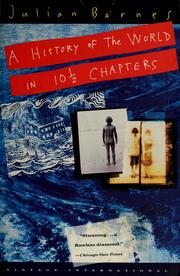 A history of the world in 10 1/2 chaptersJulian BarnesAn unsettling yet exhilarating literary journey that sweeps from the ancient floods to the gates of heaven.
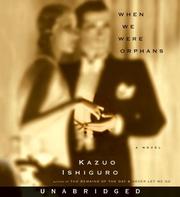 When We Were OrphansKazuo IshiguroA formal detective story that slowly dissolves into a surreal, heartbreaking fever dream of repressed memory and childhood trauma.
 The Suspicions of Mr. WhicherKate SummerscaleA grim, historical deep-dive into a shocking Victorian murder and the tragic toll it took on the man who tried to solve it.
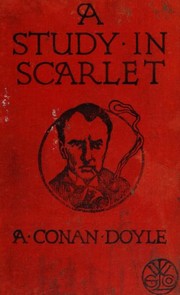 A Study in ScarletArthur Conan DoyleStep into a fog-drenched London where a brilliant, eccentric mind turns the chaos of murder into an elegant puzzle.
 Tess of the d'UrbervillesThomas HardyA lush, devastating portrait of a woman crushed by the relentless machinery of fate and social hypocrisy.