Books › Asimov's Guide to the Bible
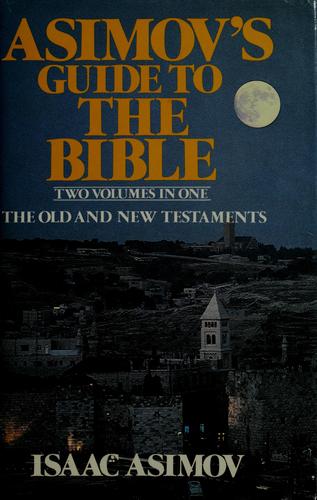
Asimov's Guide to the Bible
1296 pages
A relentlessly logical and accessible journey through the most influential book in Western history, transforming sacred myth into fascinating human history.
What it feels like
Reading this massive but remarkably accessible guide feels like sitting in a masterclass taught by your favorite, most erudite professor. The pace is steady and methodical, moving book by book through ancient scriptures, but it never bogs down in academic jargon. Instead, the mood is deeply illuminating and grounded, stripping away centuries of theological mysticism to reveal the geopolitical and cultural realities of the ancient Middle East. The prose is clear, conversational, and relentlessly logical. It delights in connecting the dots between historical events and biblical narratives. This is a perfect read for history buffs, curious skeptics, and anyone who wants to appreciate the Bible as a monumental work of human literature rather than literal truth.
- Mood
- intellectual
- illuminating
- grounded
- contemplative
- Tone
- analytical
- accessible
- objective
- inquisitive
- demystifying
- Pace
- steady
- Themes
- historical context of myth · secular analysis of sacred texts · evolution of storytelling · geopolitics of the ancient world
- The writing
- Clear, conversational, and relentlessly logical, prioritizing accessibility over academic density.
- The arc
- Begins with a curiosity about ancient scriptures and builds into a profound, grounded appreciation for the Bible as a complex human artifact.
- Who it's for
- Curious skeptics, history buffs, and secular readers who want to understand the Bible's historical and literary context without the theological baggage.
Content notes
- secular analysis of religious texts
- biblical violence
About the book
A fantastic read for anyone interested in organised religion and history. He takes the reader on a journey of the bible through the eyes of the authors and readers. By providing historical backgrounds to the times and the peoples for whom the bible was writtten, he helps explain why this book should NEVER be taken literally. I'm sure parts are outdated by new research by now but it is still a legitimate examination of both the old and new testaments. It also created in me (for the first time) the desire to read the bible as the great work of literature that it is.
Description from Open Library.
Books like Asimov's Guide to the Bible
See why they match GodJack MilesA daring, close-reading exploration that reimagines the deity of the Old Testament as a deeply conflicted, evolving literary protagonist.
 Reading the Bible Again For the First TimeMarcus J. BorgA gentle, intellectually rigorous invitation to rediscover sacred texts through the lens of metaphor and historical context rather than rigid literalism.
 A history of GodKaren ArmstrongA sweeping, intellectually rigorous journey through four millennia of human attempts to understand and define the divine.
 The Intelligent Man's Guide to ScienceIsaac AsimovA sweeping, lucid journey through the history of human discovery that makes the universe feel both vast and comprehensible.
 Willmington's Guide to the BibleH. L. WillmingtonA structured, comprehensive roadmap that transforms the vastness of scripture into an accessible, navigable landscape.
 Forward the FoundationIsaac AsimovA poignant, autumnal meditation on legacy, aging, and the heavy burden of foreseeing the end of an era.