Books › Asking for it

Asking for it
261 pages
A blunt, fiercely intelligent dissection of systemic misogyny that balances sobering research with a galvanizing call to action.
What it feels like
Reading this book feels like sitting down with a fiercely intelligent, unapologetic friend who is ready to dismantle systemic injustice piece by piece. The narrative moves at a brisk, urgent pace, driven by a voice that is famously blunt and entirely bullshit-free. It plunges the reader into a sobering, frustrating atmosphere of cultural complicity, yet it never allows despair to take the wheel. Instead, the mood is distinctly galvanizing, laced with the kind of dark, necessary humor that keeps the heartbreak at bay. The prose seamlessly weaves in-depth research with practical, forward-looking analysis. It is an essential, fiery read for anyone seeking a clear-eyed, no-nonsense examination of modern feminist struggles and the urgent work required to shift societal paradigms.
- Mood
- righteous
- frustrated
- galvanizing
- sobering
- Tone
- blunt
- urgent
- analytical
- darkly comedic
- unapologetic
- Pace
- brisk
- Themes
- dismantling rape culture · systemic injustice · feminist resistance · societal complicity · political rhetoric
- The writing
- Direct, heavily researched, and unapologetically blunt, laced with a dark, necessary humor.
- The arc
- Moves from a sobering confrontation with systemic injustice to a galvanizing call for practical, cultural change.
- Who it's for
- Readers seeking a fiercely intelligent, no-nonsense feminist analysis of systemic violence and cultural complicity.
Content notes
- rape
- sexual harassment
- sexual violence
- systemic misogyny
About the book
"From Congressman Todd Akin's "legitimate rape" gaffe to the high school rapists of Steubenville, Ohio, to the furor at Vanderbilt, sexual violence has been so prominent in recent years that the feminist term "rape culture" has finally entered the mainstream. But what, exactly, is it? And how do we change it? In Asking for It, Kate Harding answers those questions in the same blunt, bullshit-free voice that has made her a powerhouse feminist blogger. Combining in-depth research with practical knowledge, Asking for It makes the case that twenty-first-century America-where it's estimated that out of every 100 rapes only 5 result in felony convictions-supports rapists more effectively than victims. Harding offers ideas and suggestions for how we, as a culture, can take rape much more seriously without compromising the rights of the accused. "--
"If American women couldn't laugh about the way we discuss rape in this culture, half of us would be sobbing constantly, while the other half, one can only assume, would be arming themselves for the revolution. In the last few years, a series of Republican politicians have introduced memorable phrases into the American lexicon that reveal their automatic suspicion of women who report rape: "forcible rape," "honest rape," "legitimate rape," and "emergency rape" are some choice favorites. These qualified terms reveal what a lot of Americans--too many of them in public office--believe down deep: There's rape, and then there's rape-rape. Disturbingly, most of us do support rape, whether in subtle ways ("All women should take self-defense classes!") or blatantly misogynistic ones ("Hot sex with a crazy bitch"). That's how culture works. You're soaking in it. This is the first book since 2008's Yes Means Yes! to tackle the subject of rape culture, and I'm pretty sure it's the first non-academic, single-author book since the 1990s to examine sexual assault as a social phenomenon. Harding explores how rape culture manifests itself via media narratives about sexual assault victims and perpetrators--and how those change, depending on the age, race, sexual orientation, gender identity and fame of both victim and offender. Through that lens, she will take a close look at the three pillars of rape culture--excusing the accused, blaming the victim, and insisting that individual women can and must protect themselves from rape"--
Description from Open Library.
Books like Asking for it
See why they match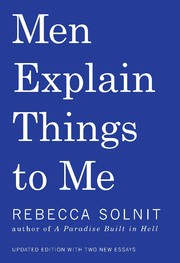 Men Explain Things To MeRebecca SolnitA sharp, validating intellectual toolkit that transforms everyday frustrations into a profound critique of systemic silencing.
 Men Who Hate WomenLaura BatesAn unflinching, deeply unsettling descent into the digital ecosystems where modern misogyny is weaponized.
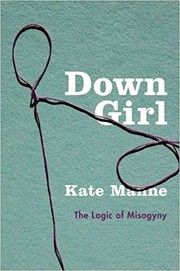 Down GirlKate ManneA razor-sharp philosophical autopsy of systemic misogyny that gives a name to the invisible forces policing women's lives.
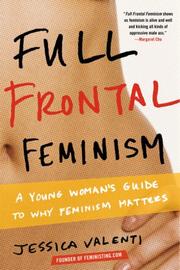 Full Frontal FeminismJessica ValentiA smart, relatable, and forward-looking guide that galvanizes a new generation to unapologetically demand equality and justice.
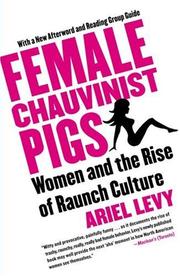 Female Chauvinist PigsAriel LevyA sharp, journalistic dissection of pop culture that asks whether performing objectification is actually a trap disguised as empowerment.
 WordslutAmanda MontellA sharp, laugh-out-loud linguistic deep dive that turns the policing of women's voices into a masterclass on reclaiming power.