Books › Assata

Assata
An Autobiography
472 pages
A fierce, poetic, and unapologetic testament to survival and revolutionary awakening in the face of relentless state violence.
What it feels like
Reading this memoir feels like sitting across from a brilliant, uncompromising friend who is telling you the most urgent story of her life. The narrative is propulsive, structured as a gripping dual timeline that alternates between the harrowing, claustrophobic reality of unjust incarceration and the steady, illuminating progression of a young woman's radicalization. Despite the heavy, oppressive atmosphere of state violence and systemic injustice that permeates the text, the overarching mood is one of electrifying resilience. The prose is remarkably accessible—candid, witty, and conversational—yet it frequently gives way to deeply moving original poetry, offering moments of profound emotional resonance. It is a vital, righteous experience that will profoundly move anyone drawn to histories of radical resistance and the enduring fight for liberation.
- Mood
- urgent
- righteous
- oppressive
- resilient
- Tone
- defiant
- candid
- witty
- unapologetic
- earnest
- Pace
- propulsive
- Themes
- revolutionary awakening · systemic injustice · Black liberation · survival and resistance · state violence
- The writing
- The writing is direct, conversational, and fiercely intelligent, punctuated by the author's own poignant poetry that provides emotional breathing room.
- The arc
- The journey shifts from the disorienting trauma of unjust incarceration to a fierce, unyielding assertion of revolutionary hope and self-liberation.
- Who it's for
- Readers who crave radical, firsthand accounts of resistance and deeply personal narratives of Black liberation will devour this memoir.
Content notes
- police brutality
- incarceration
- gun violence
- medical neglect
- systemic racism
About the book
On May 2, 1973, Black Panther Assata Shakur (previously known as JoAnne Chesimard) lay in a hospital, close to death, handcuffed to her bed, while local, state, and federal police attempted to question her about the shootout on the New Jersey Turnpike that had claimed the life of a white state trooper. Long a target of J. Edgar Hoover's campaign to defame, infiltrate, and criminalize Black nationalist organizations and their leaders, Shakur was incarcerated for four years prior to her conviction on flimsy evidence in 1977 as an accomplice to murder.
This intensely personal and political autobiography belies the fearsome image of JoAnne Chesimard long projected by the media and the state. With wit and candor, Assata Shakur recounts the experiences that led her to a life of activism and portrays the strengths, weaknesses, and eventual demise of Black and White revolutionary groups at the hand of government officials. The result is a signal contribution to the literature about growing up Black in America that has already taken its place alongside The Autobiography of Malcolm X and the works of Maya Angelou.
Two years after her conviction, Assata Shakur escaped from prison. She was given political asylum by Cuba, where she now resides.
Description from Open Library.
Books like Assata
See why they match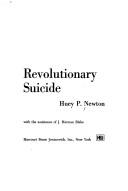 Revolutionary suicideHuey P. NewtonA searing, unapologetic manifesto that traces the crucible of systemic oppression into the forging of a revolutionary mind.
 SolitaryAlbert WoodfoxA sobering, unforgettable testament to human endurance in the face of unimaginable isolation and systemic injustice.
 If They Come in the MorningAngela Yvonne DavisAn urgent, foundational chorus of revolutionary voices dismantling the logic of the carceral state.
 When they call you a terroristasha bandeleA deeply personal, fiercely loving testament to survival and the transformative power of collective action in the face of systemic violence.
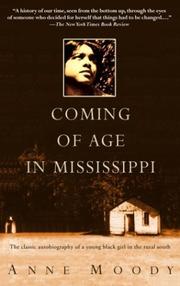 Coming of Age in MississippiAnne MoodyA candid, sensory, and deeply moving portrait of a young woman's indomitable spirit awakening in the dangerous pre-civil rights South.
 ZamiAudre LordeA lush, mythic exploration of self-discovery, tracing the fierce and tender lineages of women who shape a life.