Books › At the Full and Change of the Moon

At the Full and Change of the Moon
320 pages
A lush, polyphonic epic that traces the haunting echoes of ancestry and trauma across centuries and continents.
What it feels like
Reading this novel feels like being swept into a vast, oceanic current of memory and myth. It is a deeply atmospheric, meandering experience that prioritizes the lyrical rhythm of its sentences over a propulsive plot. The prose is lush, elegiac, and fiercely poetic, demanding that you slow down and let the chorus of voices wash over you. There is a profound sorrow woven into the text, a haunting weight of generational trauma and diasporic longing, yet it is equally illuminated by fierce resilience and passion. It is a book for readers who want to be submerged in language, who appreciate non-linear, multi-generational epics where history feels like a living, breathing ghost in the room.
- Mood
- haunting
- mythic
- oceanic
- sorrowful
- Tone
- elegiac
- lyrical
- fierce
- mournful
- Pace
- meandering
- Themes
- generational trauma · diasporic longing · persistence of memory · weight of ancestry · survival and resistance
- The writing
- Lush, poetic, and rhythmically complex, reading more like an extended, polyphonic prose poem than traditional narrative.
- The arc
- Moves from the devastating rupture of historical trauma into a sprawling, fragmented search for connection and survival across generations.
- Who it's for
- Readers who savor dense, lyrical prose and non-linear, multi-generational epics that prioritize emotional resonance over traditional plot.
Content notes
- slavery
- mass suicide
- generational trauma
- racism
- grief
About the book
Written with lyrical fire in a chorus of vividly rendered voices, Dionne Brand's second novel is an epic of the African diaspora across the globe. It begins in 1824 on Trinidad, where Marie-Ursule, queen of a secret slave society called the Sans Peur Regiment, plots a mass suicide. The end of the Sans Peur is also the beginning of a new world, for Marie-Ursule cannot kill her young daughter, Bola -- who escapes to live free and bear a dynasty of descendants who spill out across the Caribbean, North America, and Europe. Haunted by a legacy of passion and oppression, the children of Bola pass through two world wars and into the confusion, estrangement, and violence of the late twentieth century. "[Brand has] a lush and exuberant style that may put some readers in mind of Toni Morrison or Edwidge Danticat." -- William Ferguson, The New York Times Book Review; "A delicately structured, beautifully written novel infused with rare emotional clarity." —Julie Wheelwright, The Independent (London); "Rich, elegiac, almost biblical in its rhythms... One of the essential works of our times." —The Globe & Mail (Toronto)
Description from Open Library.
Books like At the Full and Change of the Moon
See why they match The book of night womenMarlon JamesA sweeping, startling immersion into the dangerous secrets and dark power of a Jamaican sugar plantation, told with breathtakingly bold prose.
 Washington BlackEsi EdugyanA sweeping, globe-trotting odyssey that balances the brutal realities of history with soaring moments of scientific wonder and the painful pursuit of true freedom.
 Girl, Woman, OtherBernardine EvaristoA vibrant, free-flowing chorus of voices that weaves a rich, interconnected tapestry of modern and historical identity.
 The Book of NegroesLawrence HillA sweeping, deeply humane epic of survival and memory that spans continents and a lifetime.
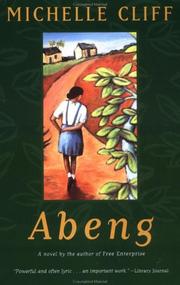 AbengMichelle CliffA lush, politically charged coming-of-age story that excavates the buried histories of a colonized island through the awakening of a young girl.
 The longest memoryFred D'AguiarA devastating, polyphonic chorus of voices circling a single, inescapable act of brutality, bound together by poetic and unflinching prose.