Books › Babbitt

Babbitt
712 pages
A biting, tragicomic portrait of a man drowning in the shallow waters of the American Dream.
What it feels like
Reading this novel feels like attending a 1920s rotary club meeting where you are the only one in on the joke, until the joke slowly turns into a tragedy. The narrative moves at a steady, observational pace, immersing you in a world of boosterism, hollow materialism, and suffocating social expectations. The tone is masterfully satirical, wielding the very slang and cadence of middle-class America to expose its spiritual emptiness. Yet, beneath the wry cynicism lies a surprising well of poignancy, as the protagonist's clumsy attempts at rebellion evoke a deep, restless melancholy. It is a brilliant, claustrophobic exploration of conformity that will delight readers who love sharp, character-driven classics that dissect the illusions of the American Dream.
- Mood
- restless
- claustrophobic
- hollow
- absurdist
- Tone
- satirical
- wry
- cynical
- observant
- poignant
- Pace
- steady
- Themes
- middle-class malaise · the illusion of the American Dream · social conformity · midlife crisis · hypocrisy of polite society
- The writing
- Sharp and meticulously detailed, capturing the boosterish slang and rhythmic cadence of 1920s corporate America with biting, almost anthropological irony.
- The arc
- Begins in smug, materialistic complacency, spirals into a desperate and clumsy rebellion, and concludes with a poignant, resigned surrender to the status quo.
- Who it's for
- Lovers of classic American literature and sharp social satire who appreciate character studies of deeply flawed, painfully ordinary people.
Content notes
- infidelity
- alcohol use
- period-typical bigotry
About the book
"Zenith is the finest example of American life and prosperity to be found anywhere." Zenith is the Midwestern city where George F. Babbitt lives and works. A successful real estate agent, his business provides all the material trappings and comfort he thinks he ought to have. He is a member of all the right clubs, and unquestioningly shares the same aspirations and ideas as his friends and fellow Boosters. Yet even complacent, conformist Babbitt dreams of romance and escape, and when his best friend does something to throw his world upside down, he rebels, and tries to find fulfilment in romantic adventures and liberal thinking. Hilarious and poignant, Babbitt turns the spotlight on middle America and strips bare the hypocrisy of business practice, social mores, politics, and religious institutions. A brilliant satire, it evokes an era and at the same time exposes a universal social malaise. In his introduction and notes Gordon Hutner explores the novel's historical and literary contexts, and its rich cultural and social references. - Back cover.
With his portrait of George F. Babbit, the conniving, prosperous real-estate man from Zenith, Sinclair Lewis created one of the ugliest, but most convincing, figures in American fiction -- the total conformist. Babbitt's demons are power in his community and the self-esteem he can only receive from others. In his attempts to reconcile these aspirations, he is loyal to whoever serves his need of the moment: time and again he proves an opportunist in business practice and in domestic affairs. Outwardly he conforms with "zip and zowie," is a "big booster" before the public eye; inwardly he converges day by day upon the utter emptiness of his soul -- too filled with rationalizations and sentimentality to sense his own corruption. Babbit gives consummate expression to the glibness and irresponsibility of the hardened, professional social climber. H. G. Wells said of this novel: "I wish I could have written Babbitt."
Description from Open Library.
Books like Babbitt
See why they match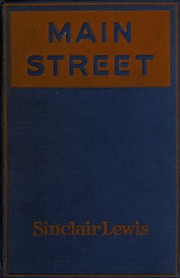 MAIN STREETSinclair LewisA biting, claustrophobic portrait of a restless woman suffocating under the weight of small-town American conformity.
 Elmer GantrySinclair LewisA biting, cynical masterclass in American hucksterism that exposes the theatrical underbelly of organized religion.
 An American TragedyTheodore DreiserA slow-motion tragedy of ambition and moral cowardice that dissects the darkest, most desperate corners of the American Dream.
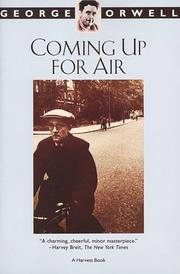 Coming Up for AirGeorge OrwellA wry, wistful plunge into the ache of nostalgia and the creeping dread of a rapidly modernizing world.
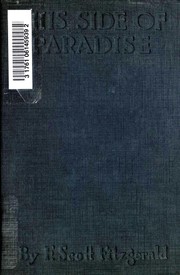 This Side of ParadiseFrancis Scott FitzgeraldA glittering, melancholic portrait of a generation waking up from the intoxicating dream of youth to find themselves adrift.
 A Confederacy of DuncesJohn Kennedy TooleA hilarious, exhausting, and deeply cynical romp through a humid city alongside literature's most arrogant and unemployable antihero.