Books › Bartleby, the Scrivener

Bartleby, the Scrivener
256 pages
A quietly devastating and darkly absurd exploration of passive resistance and existential exhaustion.
What it feels like
Reading this story feels like being trapped in a windowless room where the walls are slowly, imperceptibly closing in. It is a masterclass in quiet, creeping absurdity, wrapped in the formal, slightly pompous prose of a nineteenth-century lawyer who cannot comprehend the void sitting in his office. The mood is deeply melancholic and claustrophobic, yet laced with a wry, bewildered humor that makes you chuckle before the existential dread fully sets in. It moves at a steady, deliberate pace, mirroring the relentless, unyielding nature of its central figure's passive resistance. This is a book for anyone who has ever stared at a spreadsheet and felt their soul detach, delighting readers who love Kafkaesque alienation, dark satire, and the profound tragedy of simply preferring not to.
- Mood
- claustrophobic
- melancholic
- quietly unsettling
- bleak
- Tone
- wry
- bewildered
- philosophical
- absurdist
- Pace
- steady
- Themes
- existential alienation · passive resistance · the absurdity of modern labor · limits of compassion · bureaucratic isolation
- The writing
- The prose is formal, verbose, and deliberately slightly pompous, perfectly capturing the mindset of a comfortable nineteenth-century legal professional.
- The arc
- The narrative shifts from bemused, mild frustration into a profound, helpless melancholy as the depths of human isolation are revealed.
- Who it's for
- It will resonate deeply with readers who appreciate dark, quiet satire, existential philosophy, and the soul-crushing absurdities of office life.
Content notes
- depression
- starvation
- confinement
- death
About the book
"Bartleby the Scrivener: A Story of Wall Street" is a short story by Herman Melville. The story first appeared, anonymously, in Putnam's Magazine in two parts. The first part appeared in November 1853, with the conclusion published in December 1853. It was reprinted in Melville's The Piazza Tales in 1856 with minor textual alterations. The work is said to have been inspired, in part, by Melville's reading of Emerson, and some have pointed to specific parallels to Emerson's essay, "The Transcendentalist." The story has been adapted twice: once in 1970, starring Paul Scofield, and again in 2001, starring Crispin Glover.
Description from Open Library.
Books like Bartleby, the Scrivener
See why they match Billy BuddHerman MelvilleA claustrophobic, philosophical maritime tragedy that pits pure innocence against inexplicable malice.
 The Confidence ManHerman MelvilleA surreal, darkly comic riverboat journey that dismantles the illusion of trust and identity through a dizzying series of philosophical cons.
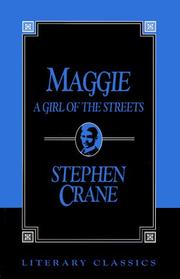 Maggie, a girl of the streetsStephen CraneA bleak, unflinching plunge into the deterministic crush of the nineteenth-century slums.
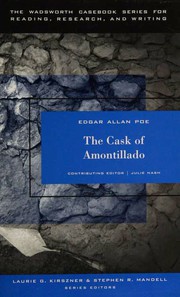 The Cask of AmontilladoEdgar Allan PoeA methodical, claustrophobic descent into the darkest corners of human vindictiveness.
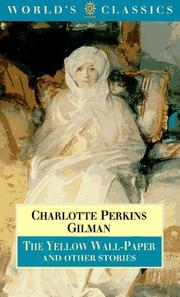 "The yellow wallpaper" and other storiesCharlotte Perkins GilmanA chilling, claustrophobic descent into the mind of a woman trapped by the very walls meant to heal her.
 The Legend of Sleepy HollowWashington IrvingA crisp, autumn-leaf-strewn stroll through a superstitious village that culminates in a frantic, shadow-drenched midnight ride.