Books › Beggars in Spain

Beggars in Spain
First published 1994 · 448 pages
A sweeping, intellectually rigorous exploration of what happens when human evolution outpaces human empathy.
What it feels like
Reading this book feels like stepping into a grand, decades-long philosophical debate about the future of humanity. It unfolds at a steady, deliberate pace, prioritizing intellectual rigor and sociological exploration over explosive action. The mood is tense and alienated, steeped in the growing divide between the genetically privileged and the resentful masses. The prose is clear and functional, serving as a transparent vessel for complex ideas about objectivism, empathy, and what we owe to those less fortunate than ourselves. It is a deeply earnest and thought-provoking experience that asks hard questions without offering easy answers. This is a must-read for fans of classic, idea-driven science fiction who love stories that use a single technological shift to dissect the human condition.
- Mood
- thought-provoking
- tense
- alienated
- intellectual
- Tone
- analytical
- philosophical
- earnest
- sociological
- Pace
- steady
- Themes
- the ethics of genetic engineering · societal prejudice and envy · the burden of excellence · human interdependence · what we owe to the less fortunate
- The writing
- Clear, functional, and idea-driven, prioritizing philosophical dialogue and sociological worldbuilding over lyrical flourish.
- The arc
- Moves from the isolated optimism of a gifted child to a sobering confrontation with societal fracture, culminating in a complex acceptance of human interdependence.
- Who it's for
- Readers who crave classic, idea-driven science fiction that wrestles with the ethical and sociological fallout of a single, massive technological shift.
Content notes
- discrimination and prejudice
- mob violence
- eugenics themes
- political oppression
About the book
In a world where the slightest edge can mean the difference between success and failure, Leisha Camden is beautiful, extraordinarily intelligent... and one of an ever-growing number of human beings who have been genetically modified to never require sleep.Once considered interesting anomalies, now Leisha and the other "Sleepless" are outcasts -- victims of blind hatred, political repression, and shocking mob violence meant to drive them from human society... and, ultimately, from Earth itself.But Leisha Camden has chosen to remain behind in a world that envies and fears her "gift" -- a world marked for destruction in a devastating conspiracy of freedom... and revenge.
Description from Open Library.
Books like Beggars in Spain
See why they match Beggars & choosersNancy KressA tense, intellectually rigorous exploration of a society fracturing under the weight of its own genetic perfection.
 HammeredElizabeth BearA gritty, neon-drenched cyberpunk thriller anchored by a world-weary heroine fighting for ownership of her own failing body.
 Remnant PopulationElizabeth MoonA quietly triumphant science fiction tale about finding your truest purpose and ultimate freedom long after society has written you off.
 GrassSheri S. TepperA haunting, slow-burn ecological mystery that peels back the layers of an alien world to reveal terrifying and transformative truths.
 The family tradeCharles StrossA sharp, dimension-hopping thriller where modern pragmatism meets feudal mafia politics.
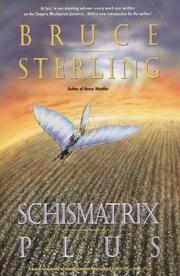 Schismatrix PlusBruce SterlingA dizzying, idea-dense plunge into a post-human future where biology and machinery wage a relentless war for the next stage of evolution.