Books › Behind the Attic Wall

Behind the Attic Wall
315 pages
A haunting, bittersweet exploration of a prickly orphan finding love in the most unexpected and eerie of places.
What it feels like
Reading this book feels like wandering through a vast, drafty house on a gray afternoon, where every shadow holds a secret. It is a deeply atmospheric and quietly eerie experience, blending gothic undertones with a profound emotional sensitivity. The narrative moves at a steady, deliberate pace, allowing the reader to fully inhabit the prickly, defensive shell of a deeply lonely child. The prose is lyrical and sensory, lingering on the unsettling magic of whispering dolls and hidden rooms. It is less a traditional ghost story and more a poignant exploration of abandonment and the desperate need for connection. Readers who appreciate melancholic, slow-burn mysteries and stories about difficult, unloved children finding their own strange magic will be completely captivated by this bittersweet, haunting tale.
- Mood
- haunting
- lonely
- gothic
- bittersweet
- atmospheric
- Tone
- melancholic
- eerie
- poignant
- empathetic
- quiet
- Pace
- steady
- Themes
- the ache of abandonment · healing power of imagination · childhood loneliness · emotional walls · finding chosen family
- The writing
- Lyrical, descriptive, and deeply attuned to the sensory details of a lonely child's inner world.
- The arc
- Moves from prickly, defensive isolation to a heartbreaking but tender opening of the heart.
- Who it's for
- Readers who love quiet, slightly spooky, emotionally resonant stories about difficult children finding their place.
Content notes
- child abandonment
- emotional neglect
- grief
- bullying
About the book
Behind the Attic Wall is a children's novel by Sylvia Cassedy, first published in 1983.
At twelve, Maggie had been thrown out of more boarding schools than she cared to remember. "Impossible to handle," they said nasty, mean, disobedient, rebellious, thieving anything they could say to explain why she must be removed from the school.
Maggie was thin and pale, with shabby clothes and stringy hair, when she arrived at her new home. "It was a mistake to bring her here," said Maggie's great-aunts, whose huge stone house looked like another boarding school or a prison. But they took her in anyway. After all, aside from Uncle Morris, they were Maggie's only living relatives.
But from behind the closet door in the great and gloomy house, Maggie hears the faint whisperings, the beckoning voices. And in the forbidding house of her ancestors, Maggie finds magic...the kind that lets her, for the first time, love and be loved.
Description from Open Library.
Books like Behind the Attic Wall
See why they match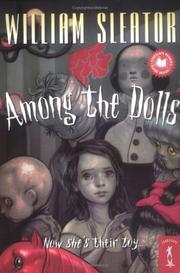 Among the DollsWilliam SleatorA shadowy, claustrophobic descent into a miniature nightmare where childhood frustrations take on a terrifying life of their own.
 The ghosts of Mercy ManorBetty Ren WrightA gentle, atmospheric mystery where a displaced child finds purpose in uncovering the sorrowful secrets of a haunted house.
 The Christmas DollElvira WoodruffA tender, Dickensian tale of sisterhood that balances the bitter cold of the streets with the warm glow of holiday magic.
 Christina's GhostBetty Ren WrightA delightfully eerie, classic haunted house tale that balances spine-tingling chills with unexpected emotional warmth.
 Beyond the Bright SeaLauren WolkA windswept, lyrical journey about a girl searching the horizon for her past, only to realize her true home is already beside her.
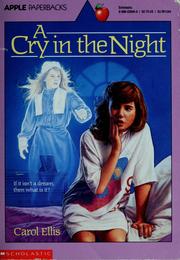 A Cry in the NightCarol EllisA classic, spooky vacation-house mystery where echoes of a tragic past demand to be heard.