Books › Beowulf

Beowulf
First published 2000 · 304 pages
A rugged, percussive descent into a world of fire, blood, and fading glory.
What it feels like
Reading this translation feels like sitting in a firelit mead-hall while the winter wind howls outside, listening to a master storyteller recount the deeds of a lost age. The pacing is steady and rhythmic, driven by the heavy, percussive beat of alliterative verse that feels both ancient and startlingly immediate. It is a deeply atmospheric experience, steeped in a mood of shadow-drenched myth and stoic melancholy. The emotional texture shifts gradually from the visceral, blood-pumping thrill of monstrous encounters to a profound, elegiac meditation on the inevitability of death and the fleeting nature of human glory. This is a book for those who want to feel the raw, earthy weight of language and immerse themselves in the stark, heroic beauty of the deep past.
- Mood
- mythic
- shadow-drenched
- somber
- archaic
- Tone
- elegiac
- muscular
- reverent
- stoic
- Pace
- steady
- Themes
- the weight of legacy · the inevitability of death · courage in the face of doom · the fleeting nature of glory · loyalty and kinship
- The writing
- Heaney's verse is earthy, percussive, and deeply resonant, grounding ancient alliterative meter in a rugged, accessible vernacular.
- The arc
- Moves from the blood-pumping thrill of youthful triumph to a heavy, mournful acceptance of mortality and the fading of an era.
- Who it's for
- Readers who crave the raw, elemental power of ancient myths and appreciate poetry that feels carved from stone and earth.
Content notes
- graphic violence
- gore
- death
About the book
Composed toward the end of the first millennium, Beowulf is the elegiac narrative of the adventures of Beowulf, a Scandinavian hero who saves the Danes from the seemingly invincible monster Grendel and, later, from Grendel's mother. He then returns to his own country and dies in old age in a vivid fight against a dragon. The poem is about encountering the monstrous, defeating it, and then having to live on in the exhausted aftermath. In the contours of this story, at once remote and uncannily familiar at the beginning of the twenty-first century, Nobel laureate Seamus Heaney finds a resonance that summons power to the poetry from deep beneath its surface. Drawn to what he has called the "four-squareness of the utterance" in Beowulf and its immense emotional credibility, Heaney gives these epic qualities new and convincing reality for the contemporary reader.
Description from Open Library.
Books like Beowulf
See why they match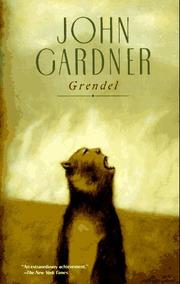 GrendelJohn GardnerA darkly lyrical plunge into the mind of a tortured outsider wrestling with the meaninglessness of existence.
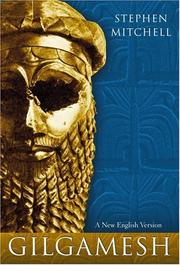 GilgameshStephen MitchellA muscular, breathing translation of humanity's oldest story that makes ancient grief and friendship feel startlingly immediate.
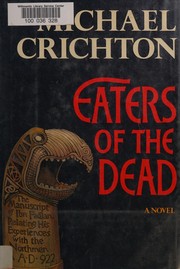 Eaters of the DeadMichael CrichtonA faux-historical manuscript that strips the magic from ancient myth to reveal the terrifying, bloody reality underneath.
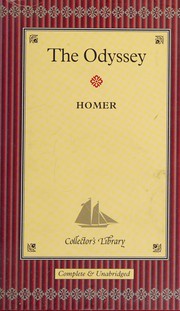 The OdysseyHomerA sweeping, poetic journey through mythological trials fueled by the enduring longing for home.
 How to Train Your DragonCressida CowellA hilarious, chaotic romp that proves true heroism is about cleverness and compassion rather than bulging muscles and loud roars.
 The Aeneid / Virgil ; translated by Robert FitzgeraldPublius Vergilius MaroA majestic, sorrowful epic of wandering and war that weighs the crushing human cost of building an empire.