Books › Beyond the Brain

Beyond the Brain
How Body and Environment Shape Animal and Human Minds
304 pages
A paradigm-shifting exploration that pulls the mind out of the skull and scatters it into the body and the surrounding world.
What it feels like
Reading this book feels like taking off a pair of glasses you didn't know you were wearing. It steadily and methodically dismantles the human-centric, brain-in-a-vat view of intelligence, replacing it with something far more expansive and grounded. The mood is deeply inquisitive and illuminating, inviting you to look at a spider, a dog, or even your own hands with renewed awe. Barrett's prose is rigorous yet accessible, guiding you through complex intersections of robotics, biology, and psychology without losing the thread of her central, paradigm-shifting argument. It is a profoundly grounding reading experience that will delight armchair philosophers, cognitive science enthusiasts, and anyone who suspects that being smart is about much more than just having a big brain.
- Mood
- intellectually expansive
- grounded
- curious
- illuminating
- Tone
- analytical
- inquisitive
- authoritative
- clear
- Pace
- steady
- Themes
- embodied cognition · human exceptionalism · ecological interconnectedness · the nature of intelligence · mind-body synergy
- The writing
- Clear, rigorous, and interdisciplinary, translating complex cognitive science and philosophical concepts into accessible, thought-provoking arguments.
- The arc
- Moves from a state of unquestioned assumptions about the mind to a profound, expansive appreciation for the interconnectedness of body, brain, and world.
- Who it's for
- Readers fascinated by cognitive science, animal behavior, and philosophy of mind who enjoy having their fundamental assumptions about intelligence challenged.
Content notes
- animal experimentation mentions
About the book
"When a chimpanzee stockpiles rocks as weapons or when a frog sends out mating calls, we might easily assume these animals know their own motivations--that they use the same psychological mechanisms that we do. But as Beyond the Brain indicates, this is a dangerous assumption because animals have different evolutionary trajectories, ecological niches, and physical attributes. How do these differences influence animal thinking and behavior? Removing our human-centered spectacles, Louise Barrett investigates the mind and brain and offers an alternative approach for understanding animal and human cognition. Drawing on examples from animal behavior, comparative psychology, robotics, artificial life, developmental psychology, and cognitive science, Barrett provides remarkable new insights into how animals and humans depend on their bodies and environment--not just their brains--to behave intelligently. Barrett begins with an overview of human cognitive adaptations and how these color our views of other species, brains, and minds. Considering when it is worth having a big brain--or indeed having a brain at all--she investigates exactly what brains are good at. Showing that the brain's evolutionary function guides action in the world, she looks at how physical structure contributes to cognitive processes, and she demonstrates how these processes employ materials and resources in specific environments. Arguing that thinking and behavior constitute a property of the whole organism, not just the brain, Beyond the Brain illustrates how the body, brain, and cognition are tied to the wider world"--
"This book illustrates how the intelligent behaviour of animals doesn't necessarily depend on having a big brain; having the right kind of body and exploiting the right kinds of environmental resources can be equally important"--
Description from Open Library.
Books like Beyond the Brain
See why they match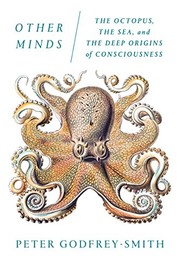 Other MindsPeter Godfrey-SmithA philosophical plunge into the ocean's depths to encounter an intelligence as alien as it is earthly.
 How Emotions Are MadeLisa Feldman BarrettA paradigm-shifting journey into the brain that dismantles everything you thought you knew about human feeling.
 MetazoaPeter Godfrey-SmithAn immersive, philosophical dive into the ocean's depths to trace the evolutionary awakening of the animal mind.
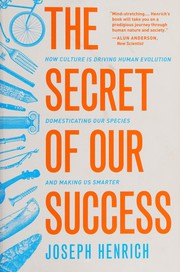 The secret of our successJoseph Patrick HenrichA paradigm-shifting exploration that dismantles the myth of the lone genius to reveal the true superpower of our species: our collective brain.
 From Bacteria to Bach and Back: The Evolution of MindsDaniel C. DennettA sweeping, cerebral exploration of how mindless biological processes gave rise to the breathtaking complexity of human consciousness.
 Seven and a Half Lessons about the BrainLisa Feldman BarrettA brisk, mind-expanding tour through the gray blob between your ears that shatters popular myths about human behavior.