Books › Bhagavad-Gita

Bhagavad-Gita
First published 1954 · 358 pages
A timeless, grounding dialogue that transforms existential paralysis into profound spiritual clarity.
What it feels like
Reading this ancient text feels like stepping out of a chaotic storm and into a quiet, vast sanctuary. The narrative unfolds at a steady, deliberate pace, anchoring the reader in an intimate yet cosmic conversation about duty, existence, and the self. It begins in a space of profound existential dread and moral paralysis, but slowly, through rhythmic and elevated prose, it guides you toward a sense of transcendent clarity. The atmosphere is deeply contemplative and awe-inspiring, wrapping complex philosophical and spiritual truths in poetic simplicity. It is a deeply grounding experience, perfect for seekers, philosophers, and anyone looking to find stillness and purpose amidst the overwhelming battles of everyday life.
- Mood
- contemplative
- transcendent
- grounding
- awe-inspiring
- Tone
- reverent
- instructive
- philosophical
- earnest
- Pace
- steady
- Themes
- duty and dharma · the nature of the self · spiritual devotion · action without attachment · cosmic order
- The writing
- The language is rhythmic, aphoristic, and elevated, delivering dense philosophical concepts with poetic grace.
- The arc
- The journey shifts from paralyzing existential doubt to a state of profound clarity and spiritual surrender.
- Who it's for
- Seekers of spiritual wisdom and lovers of ancient philosophy who are grappling with questions of purpose, duty, and the self.
Content notes
- existential dread
- war/battlefield context
About the book
An English translation of The Bhagavad-Gita, the teaching of Hindu divine incarnations, saints or prophets, who further explain and elaborate the God-given truths of the scriptures.
Cecilia Bard Multicultural Library for Peace
Description from Open Library.
Books like Bhagavad-Gita
See why they match The MahabharataNarayan, R. K.A timeless and profound immersion into the spiritual riches and mythic grandeur of ancient Hindu culture.
 Dharmayoddha KalkiKevin MissalA high-octane mythological fantasy that reimagines ancient prophecies as a cinematic, action-packed battle for the soul of a broken world.
 Tune in the mind (Japa Gayatri)Swami ChinmayanandaA contemplative and instructional journey into the spiritual resonance and meditative power of an ancient Vedic hymn.
 In the Lost City of Sri KrishnaVanamaliA reverent journey into a sunken, sacred world that bridges the gap between ancient mythology and deep spiritual devotion.
 Citśakti vilāsaSwami MuktanandaAn intimate, electrifying firsthand account of a profound spiritual awakening and the mystical journey of the soul.
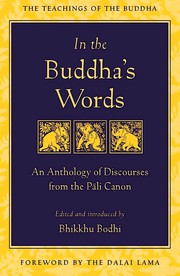 In the Buddha's wordsBodhiA systematic and eloquent journey into ancient wisdom, offering a clear path from everyday life to profound spiritual insight.