Books › Big data, little data, no data
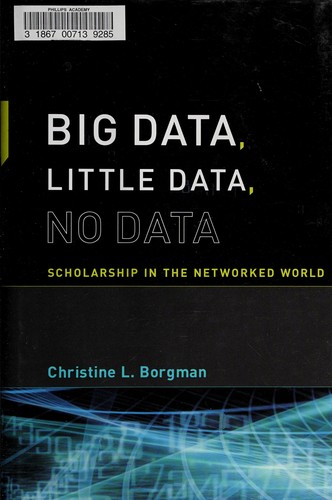
Big data, little data, no data
383 pages
A rigorous, thought-provoking exploration of the invisible infrastructures that shape how we create, value, and share knowledge.
What it feels like
Reading this book feels like stepping behind the curtain of modern scholarship to examine the very scaffolding of human knowledge. It moves at a steady, deliberate pace, stripping away the media hype surrounding modern information trends to reveal a complex, deeply human ecology of practices, institutions, and technologies. The tone is authoritative yet accessible, guiding the reader through a rigorous intellectual landscape with clarity and purpose. Rather than a dry technical manual, it offers a contemplative, structured atmosphere that invites deep reflection on how information is valued, shared, and preserved across disciplines. It will deeply satisfy researchers, librarians, and policy-minded readers who crave a nuanced, critical look at the future of academic infrastructure and the hidden labor that sustains it.
- Mood
- intellectual
- serious
- contemplative
- structured
- Tone
- analytical
- authoritative
- critical
- thoughtful
- Pace
- steady
- Themes
- the ecology of knowledge · the value of context · the future of scholarship · information infrastructure · the hidden labor of research
- The writing
- Clear, authoritative, and structured, designed to provoke discussion and untangle complex academic ecologies.
- The arc
- Moves from a critical deconstruction of media hype to a grounded, expansive appreciation for the complex ecosystems of scholarly research.
- Who it's for
- Academics, researchers, and policy makers interested in the philosophy, infrastructure, and future of information.
About the book
"Big data" is on the covers of Science, Nature, the Economist, and Wired magazines, on the front pages of the Wall Street Journal and the New York Times. But despite the media hyperbole, as Christine Borgman points out in this examination of data and scholarly research, having the right data is usually better than having more data; little data can be just as valuable as big data. In many cases, there are no data - because relevant data don't exist, cannot be found, or are not available. Moreoever, data sharing is difficult, incentives to do so are minimal, and data practices vary widely across disciplines. Borgman, an often-cited authority on scholarly communication, argues that data have no value or meaning in isolation; they exist within a knowledge infrastructure - an ecology of people, practices, technologies, institutions, material objects, and relationships. After laying out the premises of her investigation - six "provocations" meant to inspire discussion about the uses of data in scholarship - Borgman offers case studies of data practices in the sciences, the social sciences, and the humanities, and then considers the implications of her findings for scholarly practice and research policy. To manage and exploit data over the long term, Borgman argues, requires massive investment in knowledge infrastructures; at stake is the future of scholarship. -- from dust jacket.
Description from Open Library.
Books like Big data, little data, no data
See why they match Living in DataJer ThorpA provocative and eye-opening journey into the invisible numbers that shape our social reality.
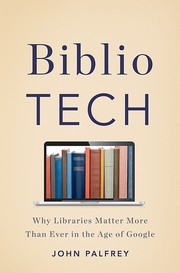 BiblioTechJohn PalfreyAn urgent, persuasive manifesto on how adapting our oldest public institutions to the digital age is vital for democracy.
 DataclysmChristian RudderA witty, voyeuristic peek into the collective human psyche through the unfiltered lens of our internet search histories and dating profiles.
 The Filter BubbleEli PariserAn eye-opening and slightly unsettling journey into the invisible algorithmic walls shaping our digital reality.
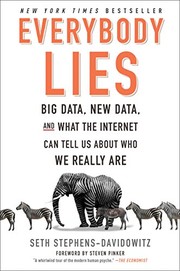 Everybody liesSeth Stephens-DavidowitzAn eye-opening exploration of the digital footprints that reveal what society is really thinking when no one is looking.
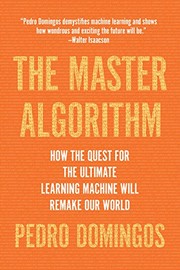 The Master AlgorithmPedro DomingosA visionary, intellectually thrilling safari through the hidden logic that powers our modern world and promises to reshape our future.