Books › Black Beauty

Black Beauty
retold in words of one syllable
330 pages
A tender, highly accessible journey through a horse's life that teaches profound lessons of empathy in the simplest of terms.
What it feels like
Reading this adaptation feels like stepping into a gentle, sepia-toned memory where profound moral lessons are distilled into their purest form. Stripped of complex vocabulary, the narrative moves with a steady, comforting rhythm that perfectly suits a young reader's developing skills. The atmosphere is tender and earnest, wrapping the reader in a compassionate worldview that champions kindness to all living creatures. While the story doesn't shy away from the melancholic realities of hardship and neglect, the emotional weight is carefully balanced for a juvenile audience, ensuring the darker moments never overwhelm the underlying hope. It is a deeply nostalgic and heartwarming experience, delighting early readers and parents alike who seek a classic, empathy-building tale told with absolute clarity and warmth.
- Mood
- tender
- nostalgic
- melancholic
- hopeful
- Tone
- earnest
- gentle
- didactic
- compassionate
- Pace
- steady
- Themes
- animal welfare · empathy and kindness · enduring hardship · moral responsibility
- The writing
- Stripped back to its most fundamental elements, the language is highly accessible, direct, and designed for early reading confidence.
- The arc
- Moves from the innocent joy of youth through trials of neglect, ultimately finding a warm, peaceful sanctuary.
- Who it's for
- Early readers transitioning to chapter books and parents seeking a gentle, morally grounded classic to read aloud.
Content notes
- animal cruelty
- neglect
- mild peril
About the book
A horse of nineteenth century England tells his life story from his early home through many masters and experiences, both good and bad.
About the author Anna Sewell was a kind and generous woman whose great love for horses and desire to see them better treated resulted in the most celebrated animal story of the nineteenth century. Born into a strict Quaker family who lived at Great Yarmouth in Norfolk, she was brought up to believe in the importance of self-reliance, moral responsibility and 'tender consideration for the Creatures of God'. From an early age she developed a strong love of animals and abhorred any form of cruelty towards them. She seemed to have a natural affinity with horses, and the great knowledge of horsemanship evident in Black Beauty was born from a lifetime's experience. Read more at
Description from Open Library.
Books like Black Beauty
See why they match The Black StallionWalter FarleyA sweeping, wind-in-your-hair adventure about the primal, unbreakable bond between a boy and a wild creature.
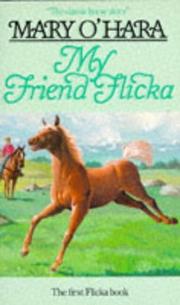 My friend FlickaMary O'HaraA sweeping, deeply felt portrait of a boy's rugged journey to maturity, guided by the wild spirit of a horse.
 The Secret GardenFrances Hodgson BurnettA quiet, earthy journey of neglected things, both human and botanical, slowly coaxed back to vibrant life.
 Anne of Green GablesLucy Maud MontgomeryA sun-drenched, episodic journey of a fiercely imaginative spirit finding a place to belong.
 Horses on the farmRose CarrawayA gentle, confidence-building introduction to farm life for the youngest of horse lovers.
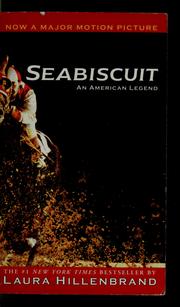 SeabiscuitLaura HillenbrandAn inspiring historical journey of an unlikely underdog and the dedicated team that transformed him into a racing legend.