Books › Black wave

Black wave
Saudi-Arabia, Iran, and the forty-year rivalry that unraveled culture, religion and collective memory in the Middle East
400 pages
A sweeping, character-driven narrative history that reads like a geopolitical thriller while mourning the loss of a more pluralistic world.
What it feels like
Reading this book feels like watching a slow-motion tragedy unfold through the eyes of those who lived it. It is a propulsive, sweeping narrative that masterfully untangles decades of complex geopolitics without ever losing sight of the human cost. The mood is both tense and elegiac, mourning the vibrant, cosmopolitan culture that was systematically dismantled by the weaponization of faith. The prose is sharp, journalistic, and deeply empathetic, weaving intimate biographical sketches into a grand historical tapestry. It moves with the urgency of a political thriller, yet leaves you with a profound, lingering sorrow for the lost possibilities of an entire region. This is essential reading for anyone who loves immersive, character-driven history that illuminates the present by untangling the past.
- Mood
- tense
- tragic
- illuminating
- somber
- sweeping
- Tone
- authoritative
- urgent
- empathetic
- elegiac
- incisive
- Pace
- propulsive
- Themes
- loss of cultural pluralism · weaponization of religion · human cost of geopolitics · historical memory · sectarian divide
- The writing
- Sharp, journalistic, and deeply narrative, weaving sweeping historical analysis with intimate, character-driven storytelling.
- The arc
- Moves from a glimpse of cosmopolitan possibility into an escalating, tense tragedy of radicalization, culminating in a sobering clarity about the present.
- Who it's for
- Readers who crave narrative history that explains complex modern conflicts through the lens of individual lives and cultural shifts.
Content notes
- sectarian violence
- war
- terrorism
- religious extremism
- state oppression
About the book
In Black Wave, award-winning journalist and author Kim Ghattas argues that the turning point in the modern history of the Middle East can be located at the toxic confluence of three major events in 1979; the Iranian revolution; the siege of the Holy Mosque in Mecca; and the Soviet invasion of Afghanistan. Before this year, Saudi Arabia and Iran had been working allies and twin pillars of US strategy in the region-- but the radical legacy of these events made them mortal enemies, unleashing a process that transformed culture, society, religion and geopolitics across the region for decades to come. Drawing on a sweeping cast of characters across seven countries over forty years, Ghattas demonstrates how this rivalry for religious and cultural supremacy has fed intolerance, suppressed cultural expression, encouraged sectarian violence, birthed groups like Hezbollah and ISIS and, ultimately, upended the lives of millions. At once bold and intimate, Black Wave is a remarkable and engrossing story of the Middle East as it has never been told before.
Description from Open Library.
Books like Black wave
See why they match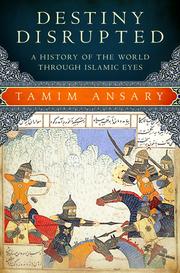 Destiny disruptedTamim AnsaryA paradigm-shifting journey that flips the map of world history upside down and invites you to look again.
 The Great War for CivilisationRobert FiskA monumental, fiercely passionate chronicle of conflict that plunges you into the devastating human realities of modern history.
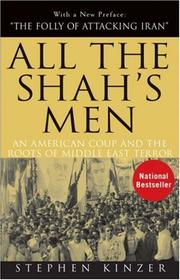 All the Shah's MenStephen KinzerA real-life geopolitical thriller that traces the tragic, shadowy roots of modern international conflict through a gripping narrative of espionage and hubris.
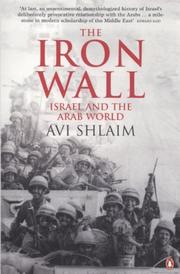 The Iron WallAvi ShlaimA rigorous, unflinching dismantling of historical mythology that leaves the reader with a profound sense of the tragic complexities of statecraft.
 MuhammadKaren ArmstrongA deeply empathetic and historically grounded journey into the life of a man who reshaped the spiritual landscape of the world.
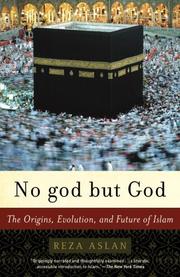 No god but GodReza AslanA sweeping, narrative-driven journey through the history of a misunderstood faith that feels both deeply scholarly and profoundly human.