Books › Boethius.\The consolation of philosophy
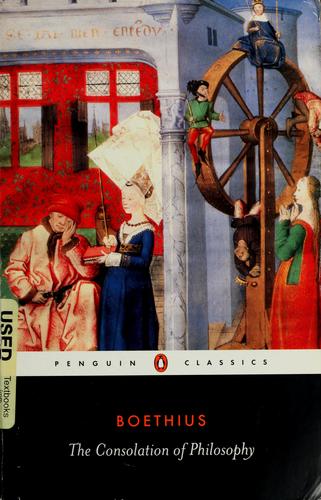
Boethius.\The consolation of philosophy
154 pages
A quiet, luminous dialogue that reaches through the centuries to offer profound comfort and clarity in the face of life's cruelest reversals.
What it feels like
Reading this book feels like sitting in a cold, shadowed room while a steady, warm light slowly fills the space. It is a deeply contemplative and steady experience, moving with the deliberate, measured pace of a mind reasoning its way out of despair. The text alternates between rigorous, lucid prose arguments and soaring, lyrical poetry, creating a rhythm that is both intellectually demanding and emotionally soothing. You can feel the weight of the author's impending doom, yet the atmosphere is ultimately one of transcendent peace rather than terror. It will deeply resonate with readers who seek timeless wisdom, those who appreciate Stoic philosophy, and anyone looking for profound intellectual comfort when the world feels fundamentally unfair.
- Mood
- contemplative
- somber
- transcendent
- quiet
- luminous
- Tone
- earnest
- reasoned
- elegiac
- didactic
- reverent
- Pace
- steady
- Themes
- the fickleness of fortune · finding inner peace · the nature of true happiness · fate and free will · resilience in adversity
- The writing
- Alternates between lucid, structured philosophical arguments and lyrical, emotionally resonant poetic interludes.
- The arc
- Begins in the depths of bitter despair and self-pity, slowly ascending through rigorous logic to a state of tranquil, transcendent acceptance.
- Who it's for
- Readers seeking profound, timeless comfort and those who appreciate rigorous classical philosophy applied to the darkest moments of human existence.
Content notes
- imprisonment
- impending execution
- despair
About the book
Written in prison before his brutal execution in AD 524, Boethius’ The Consolation of Philosophy is a conversation between the ailing prisoner and his ‘nurse’ Philosophy, whose instruction restores him to health and brings him to enlightenment. Boethius was an eminent public figure who had risen to great political heights in the court of King Theodoric when he was implicated in conspiracy and condemned to death. Although a Christian, it was to the pagan Greek philosophers that he turned for inspiration following his abrupt fall from grace. With great clarity of thought and philosophical brilliance, Boethius adopted the classical model of the dialogue to debate the vagaries of Fortune, and to explore the nature of happiness, good and evil, fate and free will.
Victor Watts’s translation makes The Consolation of Philosophy accessible to the modern reader while losing nothing of its poetic artistry and breadth of vision. This edition includes an introduction discussing Boethius’ life and writings, a bibliography, glossary and notes.
Description from Open Library.
Books like Boethius.\The consolation of philosophy
See why they match The consolations of philosophyAlain De BottonA soothing intellectual balm for the anxious mind, proving that history's greatest thinkers struggled with the exact same everyday frustrations we do.
 ConfessionsAugustineAn intimate, centuries-old prayer that wrestles with the deepest questions of memory, desire, and the search for the divine.
 The stoic philosophy of SenecaSeneca the YoungerA timeless, conversational masterclass in finding inner stillness amidst the chaos of the external world.
 On the Shortness of LifeSenecaA lucid and eloquent philosophical journey that provokes deep reflection on the art of living well.
 The great conversationNorman MelchertAn invitation to pull up a chair and listen to the greatest minds in history argue, agree, and build upon each other's ideas.
 How to Think Like a Roman EmperorDonald RobertsonA grounding journey through ancient history that equips you with timeless tools for modern mental resilience.