Books › Bonjour tristesse

Bonjour tristesse
First published 1954 · 495 pages
A sun-drenched, cynical portrait of a teenage girl's ruthless orchestration of her own coming-of-age.
What it feels like
Reading this novella feels like basking in the relentless heat of the French Riviera while a cold shadow slowly creeps over your towel. It is a masterclass in atmosphere, blending the languid, hedonistic boredom of a wealthy summer vacation with the sharp, cynical observations of a precocious teenager. The prose is elegant and deceptively simple, pulling you briskly through a narrative that feels both effortlessly chic and quietly devastating. You are trapped in the narrator's brilliant, selfish mind as she orchestrates a psychological game with irreversible consequences. It will delight readers who crave mid-century European melancholy, morally ambiguous female protagonists, and stories where the loss of innocence is less a tragedy of circumstance than an act of deliberate, chilling sabotage.
- Mood
- sun-drenched
- languid
- hedonistic
- bittersweet
- subtly ominous
- Tone
- cynical
- precocious
- detached
- wry
- melancholic
- Pace
- brisk
- Themes
- loss of innocence · cruelty of youth · bourgeois ennui · possessive love · coming of age
- The writing
- Elegant, spare, and razor-sharp, with a cool detachment that belies its emotional devastation.
- The arc
- A languid, sun-soaked summer of careless hedonism slowly curdles into irreversible tragedy and lingering regret.
- Who it's for
- Readers who love mid-century European literature, complicated and unapologetic female protagonists, and atmospheric stories of summer ennui.
Content notes
- suicide
- emotional manipulation
- underage drinking
- grief
About the book
The literary sensation of Paris in 1954 was "Bonjour Tristesse," a novel written by an eighteen year, old girl. By 1955 in translation it was offered to American readers. Some found it shocking but here was a talent extraordinary for its maturity of style and its adult perceptiveness of human character.
Description from Open Library.
Books like Bonjour tristesse
See why they match Anna and the French KissStephanie PerkinsA cinematic, banter-filled love letter to Paris and the dizzying, agonizing thrill of an all-consuming crush.
 La placeAnnie ErnauxA stark, unsentimental excavation of the quiet chasm that opens between a working-class father and his educated daughter.
 La Mort heureuseAlbert CamusA sun-drenched, philosophical fever dream about the radical, sometimes ruthless pursuit of a life fully lived.
 LolitaVladimir Vladimirovich NabokovA masterclass in unreliable narration where breathtakingly beautiful prose is weaponized to disguise a deeply unsettling nightmare.
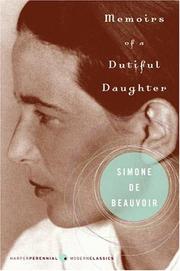 Mémoires d'une jeune fille rangéeSimone de BeauvoirA lucid, intimate portrait of a brilliant mind breaking free from the gilded cage of bourgeois expectations.
 Passion simpleAnnie ErnauxA surgically precise, unsentimental dissection of an all-consuming romantic obsession.