Books › Bread givers
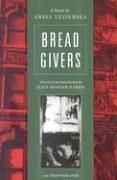
Bread givers
First published 1925 · 334 pages
A fierce, emotionally charged portrait of a young woman's fight to carve out her own identity from beneath the crushing weight of patriarchal tradition.
What it feels like
Reading this novel feels like stepping into a tense, emotionally charged domestic battlefield. The atmosphere is thick with the claustrophobia of patriarchal expectations, yet pierced by the fierce, undeniable spark of a young woman's determination. It moves at a steady, deliberate pace, anchoring the reader in the raw, everyday struggles of the immigrant experience and the painful friction of cultural assimilation. The narrative voice is earnest and defiant, capturing the profound ache of generational divides and the heavy cost of asserting one's independence. It is a deeply moving experience tailored for readers who are drawn to classic, character-focused stories about women breaking free from familial tyranny to forge their own hard-won paths.
- Mood
- tense
- claustrophobic
- determined
- hopeful
- Tone
- earnest
- defiant
- passionate
- critical
- Pace
- steady
- Themes
- generational conflict · the immigrant experience · female independence · cultural assimilation · patriarchal oppression
- The writing
- Direct and emotionally charged, reflecting the raw struggle for autonomy within a tight-knit community.
- The arc
- Moves from the suffocating weight of patriarchal control to the hard-won triumph of personal independence.
- Who it's for
- Readers who appreciate classic, character-driven stories of young women fighting for their own identity against the heavy expectations of family and culture.
Content notes
- family conflict
- sexism and chauvinism
- emotional abuse
About the book
A young Jewish girl from New York's Lower East Side rebels against the tyranny and chauvinism of her immigrant father, determined to assert her freedom and independence.
Description from Open Library.
Books like Bread givers
See why they match The AssistantBernard MalamudA claustrophobic, wintry masterpiece about guilt, suffering, and the agonizingly slow crawl toward moral redemption.
 Call It SleepHenry RothA feverish, sensory plunge into the terrifying and transcendent mind of a child navigating a gritty, alien metropolis.
 Dreams In The Golden CountryKathryn LaskyAn intimate, diary-style window into the hopes, growing pains, and bustling reality of a young immigrant's new life.
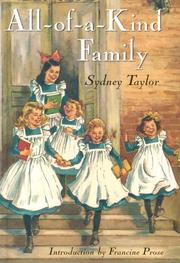 All-of-a-Kind FamilySydney TaylorA warm, bustling embrace of a story that wraps you in the comforting rhythms of sisterhood and shared traditions.
 Sister CarrieTheodore DreiserA sweeping, unsentimental portrait of ambition and moral compromise in the bustling, unforgiving cities of the Gilded Age.
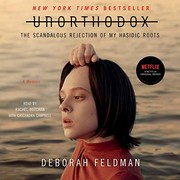 UnorthodoxDeborah FeldmanA candid and deeply personal memoir of a woman's defiant journey to break free from the strictures of her insular religious community.