Books › Cadáver exquisito

Cadáver exquisito
288 pages
A brutally clinical descent into a world where the unthinkable has become mundane, delivering a final blow that will leave you staring blankly at the wall.
What it feels like
Reading this book feels like walking through a sterile, brightly lit abattoir—the horror isn't hidden in the shadows, but displayed with terrifying, bureaucratic normalcy. The prose is spare and unflinching, adopting a clinical detachment that makes the grotesque reality of this world all the more suffocating. It pulls you forward with a propulsive, morbid fascination, wrapping you in an oppressive atmosphere of grief and complicity. You are trapped in the protagonist's numb existence, lulled into a false sense of hope before the narrative delivers a stomach-dropping, unforgettable final blow. It is a pitch-black, devastating experience designed for readers who love dystopian fiction that holds a merciless mirror up to society and leaves a lingering, visceral chill.
- Mood
- dread-soaked
- oppressive
- chilling
- grotesque
- Tone
- clinical
- detached
- unflinching
- bleak
- Pace
- propulsive
- Themes
- the normalization of atrocity · complicity and capitalism · dehumanization · grief and isolation
- The writing
- Spare, sterile, and brutally precise, using bureaucratic detachment to amplify the horror of its subject matter.
- The arc
- Moves from a numb, detached endurance of daily horrors through a fragile, deceptive awakening, culminating in a devastatingly cruel gut-punch.
- Who it's for
- Readers with strong stomachs who crave pitch-black social commentary and dystopian horror that lingers like a bad taste in the mouth.
Content notes
- cannibalism
- graphic violence
- slaughterhouse imagery
- animal death
- infant loss
- sexual assault
About the book
Working at the local processing plant, Marcos is in the business of slaughtering humans—though no one calls them that anymore.
His wife has left him, his father is sinking into dementia, and Marcos tries not to think too hard about how he makes a living. After all, it happened so quickly. First, it was reported that an infectious virus has made all animal meat poisonous to humans. Then governments initiated the “Transition.” Now, eating human meat—“special meat”—is legal. Marcos tries to stick to numbers, consignments, processing.
Then one day he’s given a a live specimen of the finest quality. Though he’s aware that any form of personal contact is forbidden on pain of death, little by little he starts to treat her like a human being. And soon, he becomes tortured by what has been lost—and what might still be saved.
Description from Open Library.
Books like Cadáver exquisito
See why they match KentukisSamanta SchweblinA chilling, voyeuristic journey into a hyper-connected world where the desire for intimacy paves the way for unimaginable terror.
 Exquisite CorpsePoppy Z. BriteA feverish, blood-soaked descent into the darkest extremes of desire, rendered in prose so beautiful it feels like a trap.
 Distancia de rescateSamanta SchweblinA suffocating, hallucinatory dialogue that drags you into a nightmare of maternal terror and ecological dread.
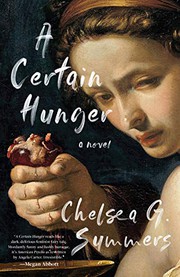 A Certain HungerChelsea G. SummersA decadent, blood-soaked feast of a novel that savors the darkest extremes of female appetite.
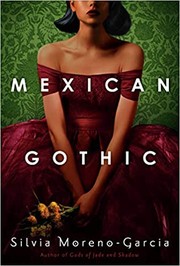 Mexican GothicSilvia Moreno-GarciaA glamorous socialite descends into a decaying, dread-soaked mansion where the walls themselves seem to breathe with colonial rot.
 MonstrilioGerardo Sámano CórdovaA grotesque, fiercely tender exploration of how grief can mutate us, wrapped in a queer coming-of-age monster story.