Books › Can't We Talk About Something More Pleasant?

Can't We Talk About Something More Pleasant?
228 pages
A hilariously neurotic and deeply moving graphic memoir about the messy reality of watching your parents grow old.
What it feels like
Reading this graphic memoir feels like sitting at a kitchen table with a deeply anxious, incredibly funny friend who is pouring her heart out about the hardest years of her life. The pace is brisk, propelled by frantic, expressive cartoons and handwritten text that perfectly mirror the chaotic anxiety of navigating eldercare. Despite the heavy subject matter of dementia and physical decline, the mood is never purely depressing; instead, it is infused with a wry, absurdist humor that acts as a vital coping mechanism. It captures the claustrophobia of childhood dynamics resurfacing in adulthood, the crushing weight of anticipatory grief, and the surreal indignities of the medical system. This is a profoundly comforting read for anyone who uses dark comedy to survive heartbreak, offering a messy, tender, and unflinchingly honest portrait of saying goodbye.
- Mood
- bittersweet
- anxious
- poignant
- absurdist
- Tone
- wry
- neurotic
- darkly comedic
- unflinchingly honest
- tender
- Pace
- brisk
- Themes
- anticipatory grief · parent-child role reversal · the indignities of aging · navigating eldercare · familial guilt
- The writing
- Told through frantic, expressive cartoons, handwritten text, and photographs that perfectly capture the chaotic anxiety of the author's mind.
- The arc
- Moves from frantic, avoidant anxiety to a messy, heartbreaking, and ultimately tender acceptance of the inevitable.
- Who it's for
- Anyone who has ever felt overwhelmed by their aging parents or uses dark humor as a coping mechanism for existential dread.
Content notes
- dementia
- death of a parent
- aging and physical decline
- grief
About the book
In her first memoir, Roz Chast brings her signature wit to the topic of aging parents. Spanning the last several years of their lives and told through four-color cartoons, family photos, and documents, and a narrative as rife with laughs as it is with tears, Chast's memoir is both comfort and comic relief for anyone experiencing the life-altering loss of elderly parents. When it came to her elderly mother and father, Roz held to the practices of denial, avoidance, and distraction. But when Elizabeth Chast climbed a ladder to locate an old souvenir from the 'crazy closet' -- with predictable results -- the tools that had served Roz well through her parents' seventies, eighties, and into their early nineties could no longer be deployed. While the particulars are Chastian in their idiosyncrasies -- an anxious father who had relied heavily on his wife for stability as he slipped into dementia and a former assistant principal mother whose overbearing personality had sidelined Roz for decades -- the themes are universal: adult children accepting a parental role; aging and unstable parents leaving a family home for an institution; dealing with uncomfortable physical intimacies; managing logistics; and hiring strangers to provide the most personal care. A portrait of two lives at their end and an only child coping as best she can, this book shows the full range of Roz Chast's talent as cartoonist and storyteller. - Publisher.
Description from Open Library.
Books like Can't We Talk About Something More Pleasant?
See why they match DisplacementLucy KnisleyA tender, watercolor-washed journey through the choppy waters of caregiving, memory, and generational love.
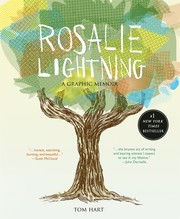 Rosalie LightningTom HartA heart-breaking yet beautiful graphic journey through the depths of parental grief toward a fragile, hard-won hope.
 RelishLucy KnisleyA warm, mouth-watering celebration of growing up, finding yourself, and eating really good cheese along the way.
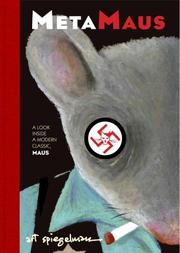 MetaMausArt SpiegelmanA profound, archival excavation of memory, art, and the heavy responsibility of drawing history.
 Good TalkMira JacobA sharp, tender, and deeply relatable exploration of the impossible questions we ask the people we love.
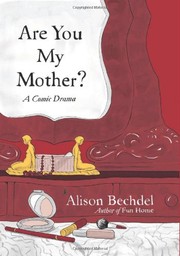 Are you my mother?Alison BechdelA deeply cerebral, visually intricate excavation of the mother-daughter bond through the lens of psychoanalysis and literature.