Books › Caribbean-Limited Ed

Caribbean-Limited Ed
First published 1989 · 944 pages
A sweeping, multi-generational epic that immerses the reader in the complex, centuries-long history of the Caribbean.
What it feels like
Reading this sprawling historical epic feels like watching a vast tapestry being woven over centuries. The narrative moves at a steady, deliberate pace, guiding the reader from the deep roots of indigenous history through the turbulent eras of European colonization, the sugar trade, and the harrowing realities of slavery. It is deeply educational and observant, carrying an expansive mood that immerses you in the intertwining destinies of families from across the globe. The prose is detailed and informative, prioritizing a grand, sweeping view of historical forces and cultural evolution over fast-paced action. It is the perfect read for those who love to lose themselves in multi-generational sagas that illuminate the complex legacies shaping a region's modern identity.
- Mood
- expansive
- immersive
- reflective
- Tone
- educational
- sweeping
- observant
- epic
- Pace
- steady
- Themes
- legacy of colonization · intertwining destinies · cultural evolution · historical forces · generational shifts
- The writing
- Detailed and educational, weaving historical facts and cultural observations into a sprawling narrative tapestry.
- The arc
- Moves from the deep roots of indigenous history through the turbulent eras of colonization and slavery, settling into a reflective understanding of the modern Caribbean.
- Who it's for
- Readers who love sweeping, multi-generational historical epics that educate as much as they entertain.
Content notes
- slavery
- colonization
About the book
A typical Michener roman a clef spanning several hundred years of history of the Caribbean region. Starting with a few chapters of the indigenous history, it evolves to follow the fortunes of families from England, Spain, France and Africa as their experiences as plantation owners, imperial administrators and naval officers, slaves and freemen intertwine over the years to the time of publication of the novel (1980s).
From a historical perspective, it educates on the role of sugar in the colonization of the various islands such as Jamaica and Haiti and how the legacy of colonization affects the culture and economic health of the current nations.
One particularly interesting set of vignettes is devoted to the Caribbean service of the British naval hero Horatio Nelson.
Description from Open Library.
Books like Caribbean-Limited Ed
See why they match HawaiJames A. MichenerA sweeping, multi-generational epic that immerses you in the geological and human history of an island paradise, tracing the beautiful and tragic collisions of cultures over centuries.
 AlaskaJames A. MichenerA sweeping, millennia-spanning epic that makes you feel the glacial weight of history and the rugged endurance of those who brave the frontier.
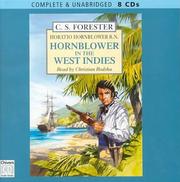 Admiral Hornblower in the West IndiesC. S. ForesterA sun-drenched, salt-sprayed exploration of duty and the heavy, isolating mantle of peacetime command.
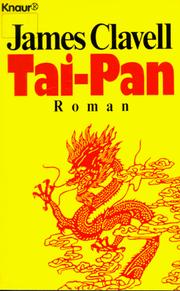 Tai-Pan (Asian SagaJames ClavellA sprawling, cutthroat epic of ambition and empire-building where every conversation is a deadly game of chess.
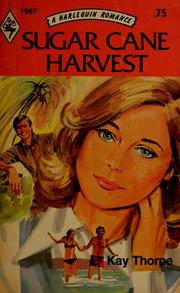 Sugar cane harvestKay ThorpeA sun-drenched vintage romance where childhood insecurities collide with simmering, undeniable adult attraction.
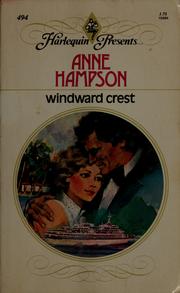 Windward crestAnne HampsonA sun-drenched tropical escape turns into a whirlwind romance shadowed by the agonizing weight of a hidden past.