Books › Carpentry

Carpentry
First published 1985 · 964 pages
A deeply pragmatic and comprehensive manual that builds technical mastery step by step.
What it feels like
Reading this comprehensive guide feels like stepping into a well-organized workshop where every tool has its place and every technique is clearly explained. The pace is steady and methodical, guiding the reader through seventy detailed units that build upon one another with structural precision. Its tone is relentlessly practical and authoritative, stripping away unnecessary flourish to focus entirely on skill development and trade mastery. The atmosphere is industrious and grounded, immersing the reader in the tangible realities of materials, power tools, and safety protocols. It is a deeply pragmatic experience, designed to delight trade students, apprentices, and serious builders who crave a thorough, step-by-step approach to mastering the physical craft of construction and structural integrity.
- Mood
- grounded
- industrious
- focused
- pragmatic
- Tone
- authoritative
- instructional
- practical
- objective
- Pace
- steady
- Themes
- skill development · practical mastery · structural integrity · trade craftsmanship · precision and safety
- The writing
- The prose is highly structured, clear, and relentlessly practical, designed for instruction rather than flourish.
- The arc
- The reader journeys from foundational curiosity to a sense of grounded, technical mastery.
- Who it's for
- Trade students, apprentices, and serious builders who crave a comprehensive, step-by-step manual for mastering construction.
Content notes
- hazardous materials discussion
- workplace safety warnings
About the book
"Provides a comprehensive approach to step-by-step carpentry skill development with an overview of tools and equipment, materials, and proven trade practices; textbook contains 70 units designed to help develop and upgrade the skills and competencies required in the trade and introduces related concepts....includes expanded coverage of rigging and lifting equipment and procedures, adhesives, hand tools, portable and stationary power tools, building materials, hazardous material safety, green building and certifications, prefabricated panel forming systems, and column forms. New content areas include energy auditing, high-definition surveying, building information modeling (BIM), micropiles, wind turbine foundations, composite and noncomposite concrete slabs, structural insulated sheathing, advanced framing and, lead-based paint renovation, repair, and painting program".
Description from Open Library.
Books like Carpentry
See why they match Building Construction IllustratedFrancis D. K. ChingA precise and structured exploration of the materials, technologies, and codes that bring architectural designs to life.
 Fundamentals of building constructionAllen, Edward and Joseph IanoA comprehensive, deeply grounded exploration of the materials and methods that hold our built world together.
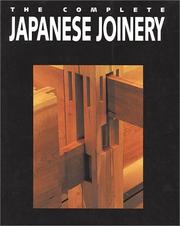 The complete Japanese joineryHideo Sato and Yasua NakaharaA quiet, meticulous guide to the timeless art and spatial discipline of traditional Japanese woodworking.
 Woodworking for DummiesJeff StrongAn encouraging, hands-on companion that transforms the raw desire to build into tangible, lasting craftsmanship.
 Construction technologyR. ChudleyA no-nonsense, deeply practical guide that satisfies the urge to understand the physical bones of the spaces we inhabit.
 Automotive TechnologyJack ErjavecA comprehensive, grease-under-the-fingernails deep dive into the mechanical heart and evolving technology of modern vehicles.