Books › Cato

Cato
482 pages
A grand, stoic tragedy of political defiance that echoes with the rhetorical fire of the Enlightenment.
What it feels like
Reading this play feels like stepping into the intellectual crucible of the eighteenth century, where the fate of republics hangs on the weight of a single, well-delivered speech. The atmosphere is somber and fatalistic, steeped in a noble tension as characters wrestle with the ultimate costs of liberty and honor. Its steady, deliberate pacing allows the elevated blank verse to resonate, delivering aphoristic lines that feel carved into marble. The tone is lofty and unyieldingly stoic, prioritizing philosophical resolve over raw emotional outbursts. It is a deeply patriotic and didactic experience, delighting readers who are fascinated by classical republicanism, historical drama, and the foundational rhetoric that once inspired revolutionaries to choose death over tyranny.
- Mood
- somber
- fatalistic
- noble
- tense
- Tone
- lofty
- earnest
- stoic
- didactic
- patriotic
- Pace
- steady
- Themes
- the price of liberty · stoicism in the face of ruin · tyranny versus republicanism · honor and duty
- The writing
- Composed in formal, rhythmic blank verse that prioritizes elevated rhetoric and memorable, aphoristic declarations.
- The arc
- Begins with tense, resolute defiance and culminates in a tragic but morally victorious martyrdom.
- Who it's for
- History enthusiasts and lovers of classical drama who want to experience the rhetorical fire that inspired the American founding fathers.
Content notes
- suicide
- war themes
- political violence
About the book
"Prologue. By Mr. Pope."--p. [3]
"A new epilogue," p. 58, is a shortened version of A new epilogue to Cato, composed by Jonathan Mitchell Sewall in 1778 for the Bow Street Theater at Portsmouth, N.H., and first printed anonymously in the New Hampshire gazette, Portsmouth, 31 March 1778. Another version was printed as Epilogue to Cato in Sewall's Miscellaneous poems, Portsmouth, 1801, p. 107-110, and still another is reprinted under this title in Occasional addresses, edited by Laurence Hutton and William Carey, New York, Dunlap Society, 1890.
Shipton & Mooney report that the 1780 edition recorded as Evans 16689 is a ghost of the present edition.
Microfiche. [New York: Readex Microprint, 1985] 11 x 15 cm. (Early American imprints. First series; no. 16689; 19396)
Description from Open Library.
Books like Cato
See why they match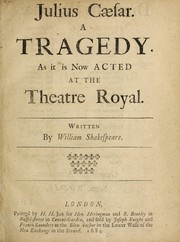 Julius CaesarWilliam ShakespeareA tense, rhetorical masterclass in political betrayal and the heavy cost of noble intentions.
 The medical pocket-bookJohn ElliotAn archival immersion into the practical remedies and bustling book trade of eighteenth-century Philadelphia.
 CatullusGaius Valerius CatullusA studious and deeply analytical journey into the passionate heart of ancient Roman love poetry.
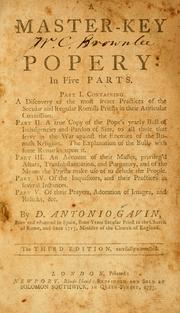 Master-key to PoperyAntonio GavinA feverish, scandalous eighteenth-century exposé designed to shock, outrage, and entertain through tales of clerical corruption.
 Maria StuartJ Friedrich Von SchillerA majestic, tension-filled tragedy of two queens locked in a fatal battle of wills, where political duty collides with personal desire.
 Die Leiden des jungen WerthersJohann GoetheA feverish, intimate plunge into the beautiful and terrifying depths of an all-consuming, doomed obsession.