Books › Caucasia

Caucasia
A Novel
First published 1998 · 432 pages
A tense and tender exploration of a fractured family, where a young girl must navigate the isolating spaces between racial identities and hidden pasts.
What it feels like
Reading this novel feels like holding a secret you aren't sure how to keep. It is a steady, deeply reflective domestic saga that wraps the reader in the anxious, isolated atmosphere of a childhood abruptly fractured by political radicalism and racial divide. The narrative balances the tender intimacy of sisterhood with the tense reality of living in hiding, passing under a false identity in a starkly different world. The prose is observant and interior, carefully unpacking the heavy burdens of race, belonging, and parental abandonment. It will deeply resonate with readers who gravitate toward poignant, character-driven stories about the painful, complicated intersections of family loyalty and the search for one's true self amidst the turbulence of adolescence.
- Mood
- anxious
- secretive
- isolated
- searching
- Tone
- reflective
- tense
- poignant
- earnest
- Pace
- steady
- Themes
- racial identity and passing · sisterhood and separation · fractured family dynamics · coming of age in hiding · the personal cost of activism
- The writing
- Observant and deeply interior, capturing the complex nuances of race, belonging, and adolescent isolation.
- The arc
- Moves from the intimate safety of a shared sisterly bond through the anxiety of sudden abandonment and hidden identity, culminating in a determined search for self and family.
- Who it's for
- Readers who appreciate character-driven domestic sagas that explore the painful intersections of race, family fracture, and coming of age.
Content notes
- family separation
- parental abandonment
- racial prejudice
- implied political violence
About the book
Birdie and Cole are the daughters of a black father and a white mother, intellectuals and activists in the civil rights movement in Boston in the 1970s. The sisters are so close that they have created a private language, yet to the outside world they can't be sisters: while Cole looks like her father's daughter, Birdie appears to be white. For Birdie, Cole is the mirror in which she can see her own blackness.
Then their parents marriage falls apart. Their father moves in with his black girlfriend, who won't even look at Birdie, and their mother seems to be more and more out of control, giving her life over to the movement. At night the sisters watch mysterious men arrive at their house with bundles shaped like rifles.
One night, through the attic windows Birdie watches her father and his girlfriend drive away with Cole - they have gone to Brazil, she will later learn, where her father hopes for a racial equality he will never have in the States. And the next morning, in the belief that the Feds are after them, Birdie and her mother have left everything behind: their house and possessions, their friends, and - most disturbing of all - their identity.
Passing as the daughter and wife of a deceased Jewish professor, Birdie and her mother drive through the Northeast, eventually making their home in New Hampshire. Desperate to find her sister, yet afraid of betraying her mother and herself to some unknown danger, Birdie must learn to navigate the white world and the pains of adolescence - until she is finally prepared to set off in search of her sister.
Description from Open Library.
Books like Caucasia
See why they match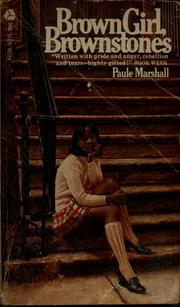 Brown girl, brownstonesPaule MarshallA richly textured coming-of-age classic that captures the fierce, claustrophobic love of an immigrant family and a young woman's fight to forge her own path.
 What we loseZinzi ClemmonsA fragmented, deeply intimate meditation on the shattering weight of grief and the search for a self between two worlds.
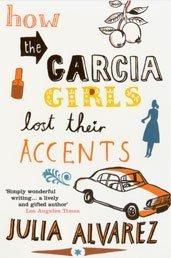 How the Garcia Girls Lost Their AccentsJulia AlvarezA vibrant, reverse-chronological mosaic of sisterhood, memory, and the bittersweet cost of assimilation.
 Breath, Eyes, MemoryEdwidge DanticatA passionate, haunting journey through displacement, inherited trauma, and the healing power of returning to one's roots.
 Another BrooklynJacqueline WoodsonA haunting, poetic plunge into the intoxicating magic of girlhood friendships and the heavy shadows that eventually fracture them.
 The Darkest ChildDelores PhillipsA harrowing, deeply immersive descent into the suffocating grip of a toxic mother, illuminated by a young girl's fierce will to survive.