Books › Changes for Kit!

Changes for Kit!
70 pages
A spirited historical tale of finding one's own voice amidst the bustling, challenging reality of a Depression-era boardinghouse.
What it feels like
Reading this book feels like stepping into a bustling 1930s boardinghouse, where the shadows of economic hardship are met with resilience and the clatter of a typewriter. The mood is a blend of cozy domesticity and spirited determination, anchored by the friction of intergenerational relationships. As the narrative unfolds at a steady, engaging pace, the tone shifts from observing a cantankerous elder's grievances to a bright, earnest discovery of personal agency. The prose is accessible and warm, perfectly suited for young readers exploring the power of authorship and the written word. It delights those who love historical fiction centered on family dynamics, offering a hopeful emotional arc about finding your own voice when the world around you is changing.
- Mood
- nostalgic
- bustling
- resilient
- cozy
- Tone
- earnest
- spirited
- observant
- hopeful
- Pace
- steady
- Themes
- finding one's voice · intergenerational relationships · navigating hard times · the power of writing
- The writing
- Accessible and warm, offering a clear, historically grounded window into the past for young readers.
- The arc
- Moves from the frustration of transcribing another's grievances to the empowering discovery of personal agency and self-expression.
- Who it's for
- Young readers who love spirited historical fiction and stories about family dynamics and the power of words.
Content notes
- economic hardship
About the book
In 1934, during the Depression, Kit's cantankerous uncle comes to live in the Cincinnati boardinghouse run by her parents, enlisting her aid in transcribing his complaining letters to the editor of the local newspaper and inspiring her to write a different kind of letter of her own.
Description from Open Library.
Books like Changes for Kit!
See why they match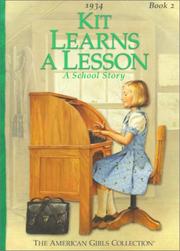 Kit learns a lessonValerie TrippA cozy yet grounded historical tale about finding gratitude and empathy when your world turns upside down.
 Meet KitValerie TrippA warm, grounded exploration of a childhood interrupted by sudden hardship, anchored by a fiercely observant and creative spirit.
 Up a road slowlyIrene HuntA quiet, deeply felt journey through the bittersweet years of growing up, anchored by the steady love of an unconventional family.
 Black TuesdayJoAnn A. GroteA gentle, earnest exploration of family resilience when the world suddenly turns upside down.
 The year of Janie's diaryDonna BalcombeAn intimate, time-capsule confession of mid-century adolescence that captures the universal growing pains of leaving childhood behind.
 Choosing Up SidesJohn RitterA tense but tender historical journey through the heavy expectations of a strict father and the quiet rebellion of accepting oneself.