Books › Childhood’s End

Childhood’s End
First published 1953 · 368 pages
A sweeping, melancholic meditation on the ultimate destiny of humanity and the bittersweet price of a perfect world.
What it feels like
Reading this book feels like standing on the edge of a vast, quiet ocean at twilight, contemplating the sheer scale of the universe. It unfolds with a steady, deliberate rhythm, sweeping across generations to explore the bittersweet cost of a perfect world. The prose is clear and visionary, prioritizing grand philosophical questions over intimate character drama, creating an atmosphere that is both deeply melancholic and profoundly awe-inspiring. You are enveloped in a sense of cosmic insignificance that slowly transforms into transcendent wonder. It is a perfect match for readers who crave classic, big-idea science fiction that lingers in the mind long after the final page, asking what it truly means to outgrow our own humanity.
- Mood
- contemplative
- eerie
- bittersweet
- cosmic
- Tone
- philosophical
- detached
- visionary
- melancholic
- Pace
- steady
- Themes
- the price of utopia · human obsolescence · evolutionary transcendence · loss of innocence · cosmic insignificance
- The writing
- Clear, functional, and sweeping, prioritizing grand ideas and cosmic scale over intimate character psychology.
- The arc
- Moves from geopolitical anxiety to utopian complacency, culminating in a profound, bittersweet awe at the end of humanity as we know it.
- Who it's for
- Readers who love big-idea, golden-age sci-fi that prioritizes philosophical questions about humanity's ultimate destiny over action-packed space operas.
Content notes
- existential dread
- apocalyptic themes
- loss of children
About the book
Childhood's End is a 1953 science fiction novel by British author Arthur C. Clarke. The story follows the peaceful alien invasion of Earth by the mysterious Overlords, whose arrival ends all war, helps form a world government, and turns the planet into a near-utopia. Many questions are asked about the origins and mission of the aliens, but they avoid answering, preferring to remain in their ships, governing through indirect rule. Decades later, the Overlords eventually show themselves, and their impact on human culture leads to a Golden Age. However, the last generation of children on Earth begin to display powerful psychic abilities, heralding their evolution into a group mind, a transcendent form of life.
Description from Open Library.
Books like Childhood’s End
See why they match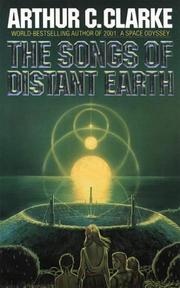 The Songs of Distant EarthArthur Charles ClarkeA quiet, sun-drenched meditation on the vastness of space, the loss of a homeworld, and the bittersweet beauty of fleeting human connection.
 Rendezvous with RamaArthur Charles ClarkeA methodical, awe-inspiring exploration of a colossal alien artifact that makes humanity feel profoundly small.
 2010, odyssey twoArthur C. ClarkeA methodical, awe-inspiring journey into the void that answers lingering cosmic mysteries with rigorous science and philosophical wonder.
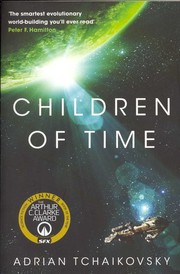 Children of TimeAdrian TchaikovskyA sweeping, deep-time evolutionary epic that will make you root for the most unlikely of sentient species.
 The Midwich CuckoosJohn WyndhamA polite, tea-drinking English village slowly realizes it is being colonized from within by an uncanny, golden-eyed threat.
 The Hammer of GodArthur C. ClarkeA methodical, awe-inspiring race against cosmic indifference where human ingenuity is the only shield against annihilation.