Books › Choice Theory

Choice Theory
A New Psychology of Personal Freedom
368 pages
A pragmatic and empowering psychological guide that challenges readers to abandon control and reclaim their present happiness.
What it feels like
Reading this book feels like sitting down with a direct, pragmatic mentor who refuses to let you dwell on the past. The pace is steady and instructive, building a clear framework for understanding why we struggle to get along with others. Its mood is deeply analytical yet ultimately empowering, wrapping the reader in a forward-looking atmosphere that insists on personal agency. The prose is clear and persuasive, stripping away complex jargon to focus on the immediate reality of our interpersonal dynamics. It is a deeply contemplative experience that challenges the instinct to control others, making it perfect for readers who want to break free from relationship misery and take actionable ownership of their present happiness.
- Mood
- contemplative
- forward-looking
- empowering
- analytical
- Tone
- instructive
- direct
- pragmatic
- earnest
- challenging
- Pace
- steady
- Themes
- personal agency · relationship dynamics · relinquishing control · present-moment focus · overcoming unhappiness
- The writing
- Clear, persuasive, and grounded in practical psychological instruction rather than academic jargon.
- The arc
- Moves from a confrontation with the sources of interpersonal misery to an empowering realization of personal freedom and present-moment agency.
- Who it's for
- Readers seeking actionable psychological frameworks to improve their relationships and take ownership of their current happiness.
Content notes
- relationship conflict
- discussions of unhappiness
About the book
Dr. William Glasser offers a new psychology that, if practiced, could reverse our widespread inability to get along with one another, an inability that is the source of almost all unhappiness.
For progress in human relationships, he explains that we must give up the punishing, relationship–destroying external control psychology. For example, if you are in an unhappy relationship right now, he proposes that one or both of you could be using external control psychology on the other. He goes further. And suggests that misery is always related to a current unsatisfying relationship. Contrary to what you may believe, your troubles are always now, never in the past. No one can change what happened yesterday.
Description from Open Library.
Books like Choice Theory
See why they match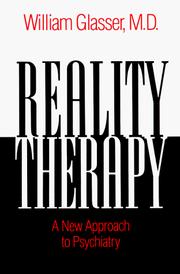 Reality therapyWilliam GlasserA pragmatic, clinical exploration of a therapeutic philosophy centered on personal accountability and facing reality.
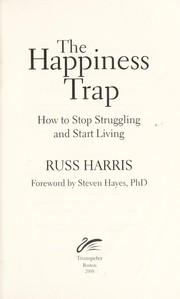 The Happiness TrapRuss HarrisA compassionate, paradigm-shifting guide that offers profound relief by teaching you to stop fighting your own mind.
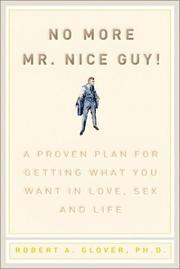 No More Mr. Nice GuyRobert A. GloverA tough-love psychological toolkit for shedding the burden of people-pleasing and reclaiming authentic self-worth.
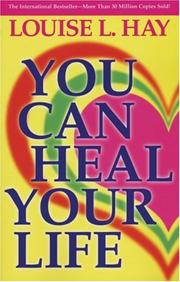 You can heal your lifeLouise HayA warm, spiritual embrace that teaches you how to rewrite the internal scripts keeping you sick or stuck.
 Stoicism and the Art of HappinessDonald RobertsonA grounding, practical guide to applying ancient philosophical wisdom to the pursuit of modern happiness.
 Codependent No MoreMelody BeattieA gentle but firm intervention that offers a roadmap out of chronic caretaking and into personal freedom.