Books › Cider with Rosie

Cider with Rosie
First published 2000 · 390 pages
A lush, sun-drenched plunge into a vanished rural childhood, brimming with eccentric characters and sensory magic.
What it feels like
Reading this memoir feels like stepping into a sunlit, overgrown garden from a century ago. The narrative meanders beautifully through the seasons of a rural childhood, prioritizing sensory texture and emotional resonance over strict chronology. The prose is extraordinarily lush and poetic, capturing the smell of damp earth, the sting of wild bees, and the chaotic warmth of a crowded, fatherless household with a wry, affectionate eye. It is a deeply nostalgic experience, yet grounded in the earthy, sometimes harsh realities of village life before the arrival of the motorcar. This book will delight readers who love to sink into beautifully crafted, atmospheric writing that preserves the fleeting magic of youth and the bittersweet passing of a forgotten era.
- Mood
- sun-drenched
- pastoral
- wistful
- sensory
- timeless
- Tone
- lyrical
- nostalgic
- wry
- affectionate
- earthy
- Pace
- meandering
- Themes
- loss of innocence · vanishing ways of life · sensory awakening · eccentric community · maternal devotion
- The writing
- Lush, poetic, and glittering with sensory details that make the natural world and village life leap off the page.
- The arc
- Moves from the chaotic, sensory immediacy of early childhood to the bittersweet, quiet awakening of adolescence and the realization that an era is ending.
- Who it's for
- Readers who savor beautifully crafted, nostalgic memoirs that immerse them in the sights, sounds, and eccentricities of a bygone rural world.
Content notes
- absent parent
- mild sexual awakening
- animal death
About the book
Cider with Rosie is a wonderfully vivid memoir of childhood in a remote Cotswold village, a village before electricity and cars, a timeless place on the verge of change. Growing up amongst the fields and woods and characters of the place, Laurie Lee depicts a world that is both immediate and real and belongs to a now-distant past.
'It sings in the memory' Sunday Times
Laurie Lee's matchless memories of his childhood, told in glittering prose and with a wonderfully wicked sense of comedy, have made Cider with Rosie one of the most famous of all autobiographies. One of eight children, Laurie Lee was born in 1914, in Slad, Gloucestershire, then a remote corner of England. As his father was absent, the large family -- five children from his father's first marriage and three from his second one -- was brought up by his capable mother. "We lived where he had left us; a relic of his provincial youth; a sprawling cumbersome, countrified brood too incongruous to carry with him; and I, for one, scarcely missed him. I was perfectly content in this world of women... bullied and tumbled through the hand-to-mouth days, patched or dressed-up, scolded, admired, swept off my feet in sudden passions of kisses, or dumped forgotten among the unwashed pots." Lee's memoir opens when he was just a baby younger than three years old and ends as he becomes a young man experiencing his first kiss. "I turned to look at Rosie. She was yellow and dusty with buttercups and seemed to be purring in the gloom; her hair was rich as a wild bee's nest and her eyes were full of stings. I did not know what to do about her, nor did I know what not to do. She looked smooth and precious, a thing of unplumbable mysteries, and perilous as quicksand." This beloved classic describes a lost world, a world reflecting the innocence and wonder of childhood, and illuminating an era without electricity or telephones. This is England on the cusp of the modern era, but it could have been anywhere. This may explain why Cider with Rosie became an when it was published in 1959, selling over six million copies in the UK alone, and continues to be read by children and adults all over the world. - Amazon
Description from Open Library.
Books like Cider with Rosie
See why they match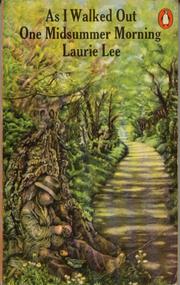 As I walked out one midsummer morningLaurie LeeA sun-drenched, poetic tramp across a vanished 1930s Europe, balancing the golden innocence of youth with the gathering storm clouds of war.
 A Child's Christmas in WalesDylan ThomasA lyrical, snow-dusted plunge into the sensory magic and warm nostalgia of a childhood winter.
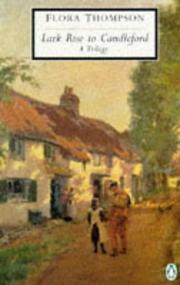 Lark Rise to CandlefordFlora ThompsonA gentle, deeply observant immersion into a vanished rural world, steeped in the quiet rhythms of the changing seasons.
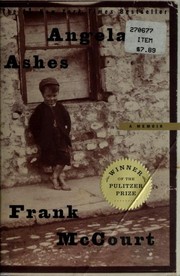 Angela's AshesFrank McCourtA rain-soaked, tragicomic masterpiece of survival that finds poetry and dark humor in the depths of unimaginable deprivation.
 Below stairsMargaret PowellA sharp, gossipy, and wonderfully unvarnished peek behind the green baize door of 1920s English high society.
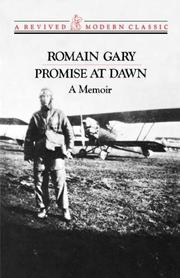 Promise at DawnRomain GaryA sweeping, deeply affectionate memoir of a fierce maternal bond that propels a young man through the adventures and trials of the twentieth century.