Books › Closing time
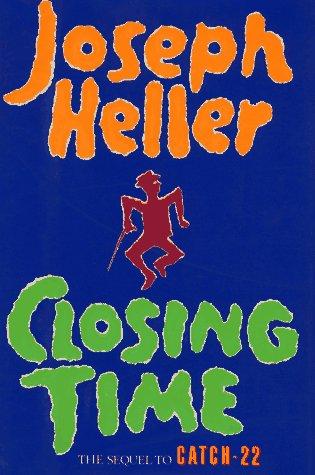
Closing time
a novel
636 pages
A darkly funny, sprawling meditation on getting old in a world that has lost its mind.
What it feels like
Reading this novel feels like sitting in a crowded, slightly rundown New York diner with an old friend who is simultaneously hilarious, deeply cynical, and quietly terrified of dying. The pace is decidedly meandering, looping through memories of World War II and the surreal, bureaucratic nightmares of modern American capitalism. It trades the frantic, propulsive panic of youth for the slower, heavier dread of old age, wrapping its existential anxieties in layers of biting, paradoxical humor. The prose is dense and conversational, filled with circular logic that highlights the absurdity of everything from politics to healthcare. It will delight readers who appreciate sprawling, elegiac satires and those who find comfort in laughing at the inevitable decline of both the human body and society at large.
- Mood
- absurdist
- melancholic
- apocalyptic
- nostalgic
- Tone
- darkly comic
- cynical
- elegiac
- satirical
- wry
- Pace
- meandering
- Themes
- the indignities of aging · societal decay · the absurdity of bureaucracy · shadows of past wars · mortality and legacy
- The writing
- Dense, circular, and paradoxical, the sentences loop back on themselves to highlight the inescapable absurdities of modern existence.
- The arc
- The narrative drifts through the chaotic absurdities of late-stage capitalism before settling into a poignant, surreal meditation on the inevitability of death.
- Who it's for
- Fans of sprawling, cynical satire who want to sit with aging antiheroes as they grumble their way toward the apocalypse.
Content notes
- aging and physical decline
- terminal illness
- death and dying
- war trauma
About the book
In a novel as darkly comic and audaciously ambitious as was Catch-22, Joseph Heller has dared to write the sequel to his American classic, using many of Catch-22's characters, now older if not wiser, to deftly satirize the realities and the myths of America in the half century since they fought World War II.
In 1961, Joseph Heller's remarkable first novel made its way immediately into the American psyche and came to symbolize the absurdity of war and of life. Catch-22 was recognized overnight as a classic and has sold nearly ten million copies in the United States alone. It remains perhaps the funniest - and the most serious - novel ever written about war, "an apocalyptic masterpiece," in the words of one reviewer.
Now, thirty-three years later, Joseph Heller has written the sequel.
You don't have to have read Catch-22 (But then, who on earth hasn't?) to enjoy Closing Time, which is a fully independent companion work, a comic masterpiece in its own right, in which Heller spears the inflated balloons of our national consciousness - the absurdity of our politics, the decline of society and our great cities, the greed and hypocrisy of our business and culture - with the same ferocious humor that he used against the conventional view of warfare.
His characters are those of Catch-22, coming to the end of their lives and the century, as is the entire generation that fought in World War II: Yossarian, and Milo Minderbinder, the chaplain, and such newcomers as little Sammy Singer and giant Lew, all linked, this time in uneasy peace and old age, fighting, not the Germans this time, but The End.
Closing Time is outrageously funny and totally serious, and as brilliant and successful as Catch-22 itself, a fun-house mirror that captures, at once grotesquely and accurately, the truth about ourselves.
Description from Open Library.
Books like Closing time
See why they match Catch-22Joseph HellerA dizzying, darkly hilarious descent into the inescapable madness of bureaucratic warfare.
 Cat's CradleKurt VonnegutA darkly hilarious, bite-sized spiral into the inevitable end of the world.
 Slaughterhouse-FiveKurt VonnegutA darkly comic, time-jumping exploration of trauma that laughs in the face of cosmic absurdity.
 Sabbath's TheaterPhilip RothA torrential, darkly hilarious howl of grief and obscenity from a man refusing to go quietly into old age.
 The Winds of WarHerman WoukA sweeping, immersive journey that anchors the overwhelming tide of global history in the intimate heartbreaks of a single family.
 Something HappenedJoseph HellerA slow-burn exploration of the quiet, creeping despair hidden beneath a perfectly average American life.