Books › Comics & sequential art

Comics & sequential art
First published 1985 · 164 pages
A masterclass in the architecture of visual storytelling, breaking down the invisible mechanics of the comic page.
What it feels like
Reading this book feels like sitting in on a legendary art school lecture, guided by a master of the craft. The pace is steady and methodical, designed to break down the invisible mechanics of graphic storytelling into clear, actionable principles. It carries an authoritative yet deeply inspiring tone, shifting the reader's perspective from passive consumption to analytical creation. The mood is focused and academic, steeped in the rich history of the medium through carefully chosen examples from iconic illustrators. The prose is clear and educational, perfectly complementing the two-color art to explain complex concepts like the application of time, space, and framing. It is an essential, illuminating experience for aspiring artists, writers, and filmmakers eager to master the building blocks of sequential art.
- Mood
- academic
- creative
- focused
- Tone
- instructive
- authoritative
- analytical
- inspiring
- Pace
- steady
- Themes
- graphic storytelling · visual communication · artistic technique · the mechanics of time and space
- The writing
- Clear, educational, and analytical, breaking down complex visual concepts into digestible, foundational principles.
- The arc
- Moves from a foundational understanding of visual elements to an inspired appreciation for the complex mechanics of graphic storytelling.
- Who it's for
- Aspiring comic artists, illustrators, writers, and filmmakers eager to understand the underlying architecture of visual storytelling.
About the book
From the Publisher: A classic drawing textbook from an American comics pioneer, revised and enhanced for a new generation. Based on Will Eisner's legendary course at New York's School of Visual Arts, this guide has inspired generations of artists, students, teachers, and fans. In Comics and Sequential Art, Eisner reveals the basic building blocks and principles of comics, including imagery, the frame, and the application of time, space, and visual forms. With examples from Eisner's own catalog and such masters as H. Foster, R. Crumb, Art Spiegelman, Milton Caniff, Al Capp, and George Herriman, this book distills the art of graphic storytelling into principles that every comic artist, writer, and filmmaker should know. 2-color art and text.
Description from Open Library.
Books like Comics & sequential art
See why they match Understanding ComicsScott McCloudA playful, mind-expanding masterclass in visual storytelling that fundamentally changes how you look at art, time, and human communication.
 Making ComicsScott McCloudAn immersive, visual masterclass in storytelling that feels like a passionate conversation with a brilliant mentor.
 Creative illustrationScott B. SmithA masterclass in visual storytelling that feels like pulling up a chair in a mid-century illustrator's bustling studio.
 Successful drawingAndrew LoomisA witty, classic masterclass in the fundamentals of realist drawing and three-dimensional form.
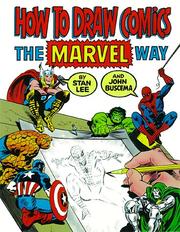 How to draw comics the Marvel wayStan Lee and John BuscemaA bombastic, encouraging masterclass in visual storytelling that makes you want to immediately pick up a pencil and draw heroes in action.
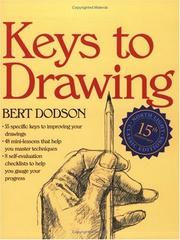 Keys to drawingBert DodsonA patient, empowering masterclass that transforms the intimidating blank page into a playground for careful observation.