Books › Communication Theories

Communication Theories
First published 2001 · 416 pages
A structured, intellectual deep-dive into the invisible frameworks that govern how humans share meaning and connect with one another.
What it feels like
Reading this book feels like stepping into a well-lit, quiet university library, ready to dismantle the everyday magic of human conversation. It is a deeply studious and grounding experience, moving at a steady, methodical pace that allows complex philosophical concepts to settle in the mind. The prose is distinctly academic yet highly accessible, acting as a clear-eyed guide through the dense thicket of how we construct meaning, persuade, and relate to one another. There are no dramatic twists here, only the quiet thrill of intellectual clarity as invisible social dynamics are suddenly given names and frameworks. It is a deeply satisfying read for the analytical mind, perfect for those who want to look under the hood of human interaction and understand the gears turning beneath our daily exchanges.
- Mood
- studious
- intellectual
- contemplative
- grounded
- Tone
- scholarly
- objective
- analytical
- accessible
- structured
- Pace
- steady
- Themes
- mechanics of meaning · human interaction · theoretical frameworks · philosophy of language · interpersonal dynamics
- The writing
- The prose is clear, methodical, and academic, prioritizing comprehension and structured learning over stylistic flourish.
- The arc
- The reader moves from a state of intuitive understanding of human interaction to a structured, analytical appreciation of how meaning is constructed.
- Who it's for
- Students of communication and curious minds who want to look under the hood of human interaction and understand the frameworks that govern how we connect.
Books like Communication Theories
See why they match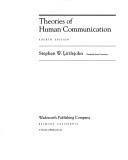 Theories of human communicationStephen W. Littlejohn and Karen A. FossA rigorous, foundational exploration of the invisible frameworks that govern how we speak, connect, and understand one another.
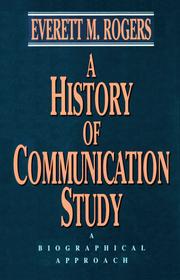 History Of Communication StudyEverett M. RogersA biographical journey through the minds and institutions that shaped how we understand human connection and media.
 Communication mosaicsJulia T. WoodA structured, illuminating journey into the mechanics of human connection and the invisible forces shaping our daily interactions.
 Human communicationJoseph A. DeVitoA structured, comprehensive guide that transforms the invisible mechanics of human interaction into a masterable skill set.
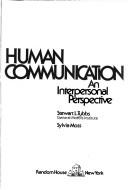 Human communicationStewart L. TubbsA structured, illuminating deep-dive into the invisible mechanics of how we connect, converse, and understand one another.
 The interpersonal communication bookJoseph A. DeVitoA structured, academic exploration of the psychological mechanics behind how we connect and communicate.