Books › Contact

Contact
First published 1986 · 664 pages
A deeply philosophical journey that looks up at the stars and asks what it means to be human in an infinite universe.
What it feels like
Reading this novel feels like standing under a perfectly clear night sky and finally understanding the scale of the cosmos. It unfolds at a steady, deliberate pace, grounding you in the rigorous, often frustrating realities of scientific research and institutional politics before expanding into something profoundly spiritual. The prose is clear and intellectual, yet it frequently swells with a poetic reverence for the natural world. It is a deeply earnest and hopeful reading experience, balancing the cold equations of radio astronomy with warm, philosophical questions about faith, grief, and human connection. This is a book for those who crave hard science fiction that engages the heart as much as the mind, leaving you with a lingering sense of awe and a renewed appreciation for our tiny place in the dark.
- Mood
- expansive
- contemplative
- wondrous
- grounded
- Tone
- earnest
- philosophical
- intellectual
- hopeful
- awe-struck
- Pace
- steady
- Themes
- science versus faith · the search for meaning · humanity's place in the cosmos · the drive for discovery · loneliness and connection
- The writing
- Clear, didactic, and scientifically rigorous, yet frequently soaring into poetic reverence for the natural universe.
- The arc
- Moves from solitary, driven curiosity through bureaucratic frustration to a profound, awe-inspiring revelation of universal connection.
- Who it's for
- Readers who love big ideas, hard science fiction, and philosophical questions about humanity's place in the cosmos.
Content notes
- grief
- institutional sexism
- religious extremism
About the book
In December, 1999, a multinational team journeys out to the stars, to the most awesome encounter in human history. Who -- or what -- is out there? In Cosmos, Carl Sagan explained the universe. In Contact, he predicts its future -- and our own.
Description from Open Library.
Books like Contact
See why they match Pale Blue DotCarl SaganA poetic and humbling gaze into the vastness of the cosmos that makes our tiny world feel infinitely precious.
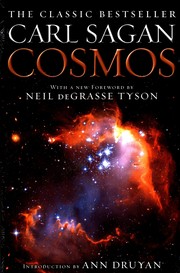 CosmosCarl SaganA poetic, awe-inspiring journey through space and time that makes you feel both infinitesimally small and profoundly connected to the stars.
 Rama IIArthur C. Clarke and Gentry LeeA tense, awe-inspiring journey where the greatest threat in an enigmatic alien vessel is the flawed humanity of the crew exploring it.
 Intelligent life in the universeIosif Samuilovič Šklovskij and Carl SaganA methodical and awe-inspiring exploration of the cosmos and the profound possibility that we are not alone.
 2010, odyssey twoArthur C. ClarkeA methodical, awe-inspiring journey into the void that answers lingering cosmic mysteries with rigorous science and philosophical wonder.
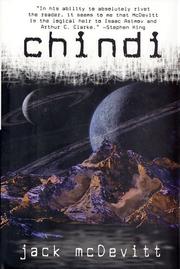 ChindiJack McDevittA methodical, awe-inspiring journey into the deep unknown, where the ghosts of ancient civilizations wait in the dark.