Books › Crossing the Water

Crossing the Water
First published 1971 · 72 pages
A haunting, transitional journey through shadowy landscapes that mirror the quiet terrors of the mind.
What it feels like
Reading this collection feels like standing on the edge of a dark, still lake at twilight, waiting for something beneath the surface to break. It exists in a deeply liminal space, bridging the gap between quiet, formal observation and the raw, unspooling psychological intensity that would define the poet's final works. The mood is eerie and aquatic, steeped in a quiet dread that creeps up through razor-sharp, chillingly controlled imagery. You are pulled into an atmosphere of profound isolation, where the natural world reflects a fractured, melancholic psyche. It is a steady, haunting read that will captivate those who crave poetry that is both meticulously crafted and emotionally devastating, offering a stark glimpse into a mind in transition.
- Mood
- liminal
- shadowy
- aquatic
- eerie
- dread-soaked
- Tone
- introspective
- melancholic
- sharp
- detached
- haunting
- Pace
- steady
- Themes
- thresholds and transitions · psychological isolation · mortality · nature as psychological mirror · loss of self
- The writing
- The verse is precise, imagistic, and chillingly controlled, balancing formal elegance with an undercurrent of psychological terror.
- The arc
- The journey moves through a quiet, shadowy landscape of the mind, building a sense of eerie detachment before arriving at a stark, inevitable stillness.
- Who it's for
- Readers who appreciate dark, atmospheric poetry that explores the shadowy corners of the human psyche with razor-sharp imagery.
Content notes
- depression
- suicidal ideation
- death
- mental illness
About the book
The horizons ring me like faggots, Tilted and disparate, and always unstable.
Description from Open Library.
Books like Crossing the Water
See why they match Collected PoemsSylvia PlathA blistering, visceral descent into the depths of the human psyche, where personal anguish is forged into razor-sharp, mythic art.
 The Bell JarSylvia PlathA sharp, darkly funny, and suffocatingly intimate portrait of a young woman's mind turning against itself.
 Selected poems of Anne SextonAnne SextonA raw, unapologetic excavation of the female psyche, mental anguish, and the messy business of being alive.
 The complete poemsAnne SextonA raw, unflinching descent into the beautiful and terrifying depths of the human mind.
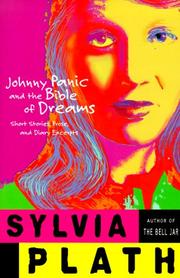 Johnny Panic and the Bible of DreamsSylvia Plath (Schriftstellerin, USA)A lyrical and dreamlike collection of short fiction that observes American manners through a deeply poetic lens.
 The Black UnicornAudre LordeA lyrical and misty poetic exploration where mythic creatures observe sprawling kingdoms.